
When we moved to the Galicia fourteen years ago, we had never lived in the countryside before. We couldn’t speak either the local Galician language used by our neighbours or Castilian Spanish. Over the years, there have been many misunderstandings because of both language and lack of rural experience. I can’t hope to explain how different rural Galian life is to life in a busy Midlands city in the UK.
We didn’t expect that fourteen years after we moved here, many unfathomable things would still happen. One such incident occurred a few weeks ago.
Steve takes the dog for a walk long before I am even out of bed. He is one of those cheerful morning people that I have such difficulty coping with. Because of that, he brings me a drink after he has walked the dog and leaves me alone until I wake up properly. On this occasion, he looked worried when he came in with the coffee.
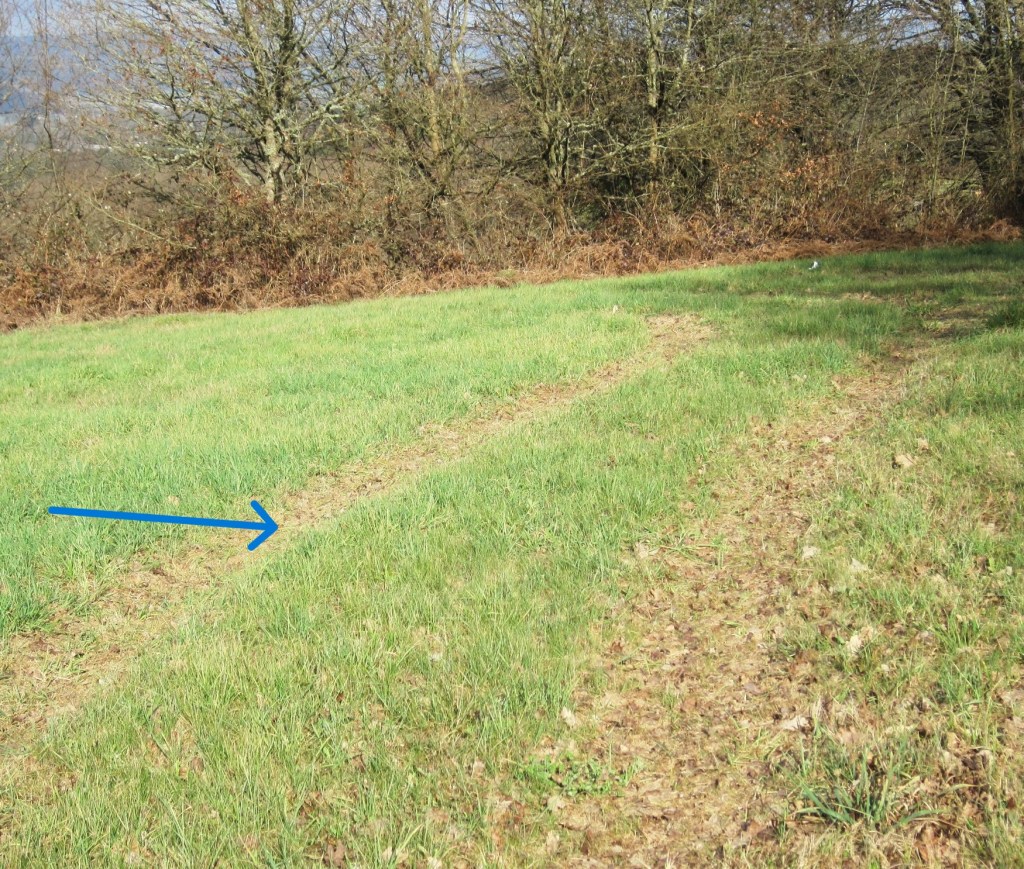
“It’s frosty outside and there are big tire tracks all over our land. You heard nothing last night or this morning, did you?”
I shook my head; He was late, and I was working when he returned home the previous evening. I wasn’t awake when he got up that day.
“It looks like a tractor and smells as though they were muck spreading.” He added helpfully.
“What about the people who cut our hay? Perhaps they hope to get a better crop this year.” I was thinking on my feet, (actually my backside as I was sitting in bed drinking my coffee).
“Seems strange that they didn’t tell us,” he said, but accepted my explanation.
It went out of my mind for a few days.
Later that week on a lovely sunny day and my neighbour knocked on the door and asked if I wanted to walk up the lane with her since in the sunshine. I gladly agreed, closing my computer with a sigh of relief. Writing is much less fun in lovely weather.
We ambled along, stopping to point out the early spring flowers.
“Who has been spraying your field?” she asked.
“I’m not sure. We wondered if it was those people with sheep who cut the hay last year.”
“No, it’s not them. They drive an ancient tractor held together by string and good luck. No, those tracks are from one of those new giant ones. You need to be rich to afford one.”
I shook my head. “I don’t know then, because if it’s a gigantic machine, that also rules out the team who were working for Paca’s family. “There had been a problem the previous summer with the family of a deceased neighbour who go the boundaries mixed up.
By now Chus was marching across the field to examine the clues, or in this case, tire tracks. We both flopped down beside the large ruts, and I was concerned when I saw how deep the ruts were. They had really churned up the ground and would make it harder to cut the grass in the summer.
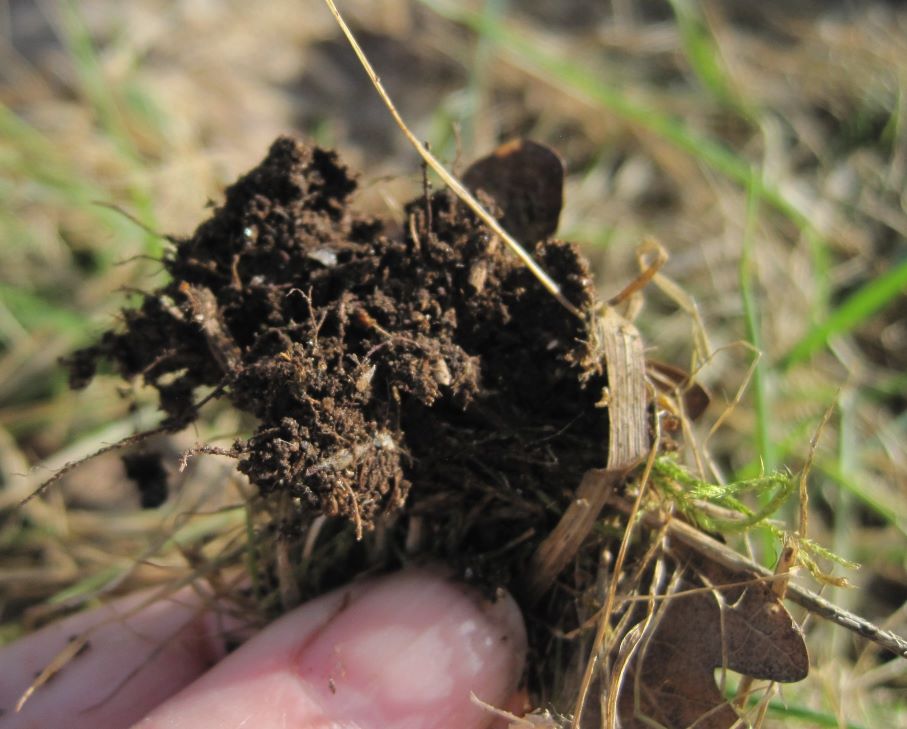
She handed me a handful of the muck that they had spread. “Smell that!”
“It smells like manure,” I ventured, not really knowing why I was sitting in the middle if a field smelling dirt.
Can’t you smell that metallic odour? It’s not natural.”
I shook my head, pulling a face, still clueless, and I had also seen Manuel, another neighbour, crawling up the lane in his car, gawping at us. Obviously, his neighbours had gone ‘loco’.
Chus was using her ‘I’ll explain slowly because you are English voice’ ” You know what a cow eats from the muck” she explained “When cows eat grass and good hay, it’s sweet, a bit like warm beer. This comes from a cow factory. It is full of chemicals and who knows what else.” I still couldn’t tell the difference, but we had discussed industrial factory farming before, so I guessed where this discussion was heading. She had kept a small herd of grass-fed beef cattle before an eye problem had forced her into early retirement. Her husband is a one of the best butchers in the district. They have ‘views’ on industrial farming and the quality of meat and dairy products that result from it.
Now I had one neighbour thinking I had lost my marbles and another despairing at my lack of crucial countryside knowledge.
“They came in the middle of the night, illegally dumping their muck that’s what has happened, what are you going to do about it?”
I shrugged “I don’t know,” I answered weakly “Maybe it will improve the quality of our grass.” The look she gave me then would have wilted a geranium.
“We’ll just have to keep watch, or make signs to say ‘Private property, no manure in the village’.”
And we that proclamation she got up and marched back down the lane with me trailing in her wake.
I had no intention of making signs or keeping watch. Even if there was a sign, it wouldn’t stop a farmer from coming in the night to dump his slurry. In the daytime, Chus and I are often the only people in the village. She is 5 foot 1 and weighs seven stone and I walk with a stick. Neither of us stand a chance against a large tractor and a man doing something illegal. (Intensive farms are required to have slurry tanks and have the waste disposed of professionally).
I have an overwhelming feeling of failure. It feels like we have made no progress since we got here. I don’t know what really happened or how I can go about fixing it. Unfortunately, I still don’t have the language to deal with an angry dispute in Gallego despite my efforts to learn Spanish and worst of all, I still can’t tell the difference between good and bad manure.
If you have enjoyed this post, why not read one of my books

 Abigail Thorne