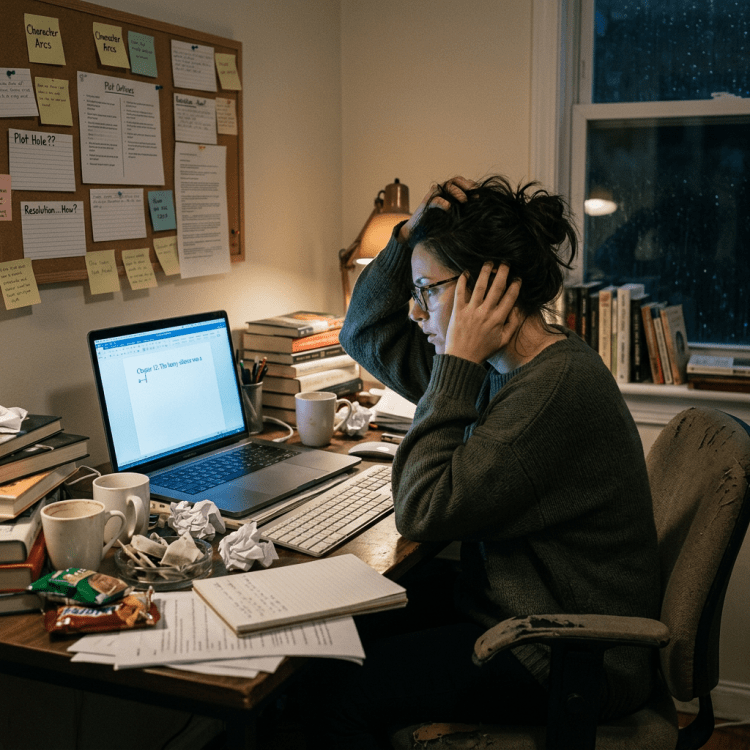
A stressed writer struggles to organize ideas while facing a new problem
Why do I want to write the title as Going Postal? and why does the process remind me of a Terry Pratchett novel? Perhaps because taking my books out of Amazon select in order to sell them in as many places as possible feels big and rebellious. I wanted to do that from the beginning, but after a few failed attempts, couldn’t face the complications I know the process is simple for other people, in my mind I hear you laughing. It wasn’t simple for me, there are too many words I don’t understand in the context they are used. Even now, posting a new book on Amazon takes several days and gives me a headache. I get it wrong, and need to redo something the next day, I forget what information I need, or begin only to find things have changed since the last time and I don’t have the correct information. I am not good at the administration involved in self publishing a book.
The obvious question is why change? I was never comfortable with the exclusivity that Amazon builds into its platform. I don’t enjoy buying e-books only to discover that they are not really mine and that I can only read them on a kindle. Or putting my books in the select program for people to borrow and tying myself to into the Amazon eco-system. I am not not knocking Amazon as a a platform for self publishing, they are the best thing that happened to publishing. They paved the way for indie Authors and KDP is is still at the forefront. It has the most innovation, the simplest and most comprehensive platform and some of the best e-readers. They have pushed the boundaries of print on demand making it both possible and affordable for normal people. My books are still for sale on Amazon and unless something drastic changes will remain available in the Amazon shop. From the beginning I have had people asking if my books were available anywhere else. They have explained that they use a an e-reader made by a different company or that Amazon deliveries are unreliable in their area, or they have objections to the way that the company treats it’s employee’s. I expressed discomfort but felt Amazon was the best option for indie authors due to my resource constraints.
It was fear, that stopped me. I get page reads, so I worry that I won’t make up the difference in sales. I will have to learn to work with other platforms when I find the technical aspects difficult. I might discover that I have made a mistake in changing. But if I don’t do anything I will never find out.
I am writing this after a year away from my desk.This has encouraged me to rethink everything, and see things differently.
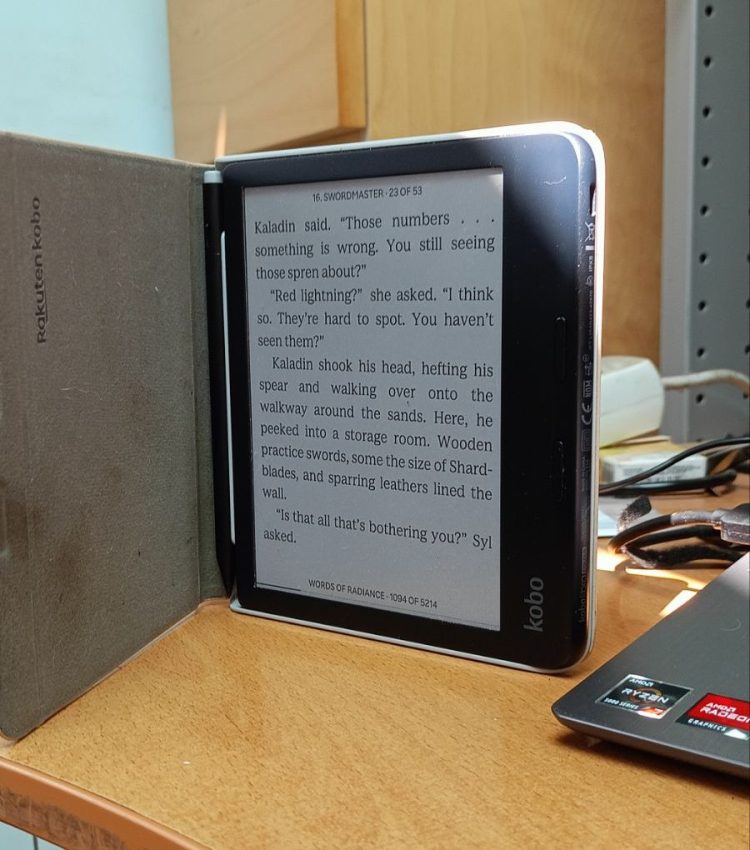
Current book by Brandon Sanserson. Words of Radience.
I use a Kobo e reader, not only because I like the device, but because I like keep my e-books on my computer to make them easier to organise and Amazon no longer allow my to do that. I can’t buy author copies of my books because I live in a rural location and Amazon won’t deliver to my address. They tell me that my village doesn’t exist. So, I have bitten the bullet, over the next two or three months my books will be available from other retailers, I will keep my website updated with the details. One day I hope that I will be able to sell directly from my website but I am taking things one step at a time. Watch This space.
If we take time to build a writing habit, the story becomes ingrained in our minds . For example I wake up in the night sometimes thinking about my work in progress. When I’m out for walk I find plot solutions or resolutions for places where I’m stuck or have written myself into a corner. When you take a break, either volentary, a holiday for example, or involuntarily because of a family or health problem. It’s easy to lose the whole flow of the story. So how do you pick it up again ? Where do you start. This subject is so pertinent to me, after being forced to take a break after my recent eye operation. My initial plan and still a plan I recommend for starting again after a long break is to review your work, by reading. Do not and I repeat do not begin to edit or ift will be weeks before you surface again and you still won’t have a good overview of your work so far. After that make brief notes about what happens in the next the two chapters following the point you left off. It’s worked for me before. It offers a slow start, reading and making notes. I must add here that It’s OK to throw away the outlines you have written. They are there to help start thinking creatively again. To draw you back into the story rather than give you a rigid framework.
A woman looks frustrated working late on her laptop surrounded by notes and books
This time I thought it would be fun to find out what Copilot (windows built in AI) suggested. It came up with some brilliant ideas. As ever, it surprised me how helpful AI is now. I tried the ideas the computer gave me and am offering you the results and my verdict. So here we go.
1) Write a returning to the story letter — from you to your book. Not a chapter not a scene. A one page letter that begins with; Here’s what I remember, Here’s what I think I was trying to do and here’s what I want this book to feel like, This bypasses perfectionism and lets your brain reconnect with tone rather than plot. So here it is my letter to my book. Dear Corpse in the cafe, I have missed you but I don’t remember exactly what we were doing together. This is what I do remember. Esther and Dan found the body of a women they called the cat lady in the shop’s cafe. It was a very cold night and everyone believed that she had hidden in the shop to keep warm. Esther found a note from her suggesting that there was more to it and even hinting at murder. Each clue that the cat lady left them led to another clue and it became treasure hunt round the grounds of a local stately home. Esther and Dan became suspicious of of the Earl who was currently lord of the manor, especially when the clues led to a body hidden in the family vault. The earl convinced the police inspector who was in charge of the case. That the old lady suffered from dementia and both deaths were from natural causes. The case ground to a halt, with Esther struggling to accept the very plausible version of events. That’s as far as I have got, Here’s what I was trying to do. I wanted to say that even smelly old cat ladies are important, and deserve treating seriously. Dan’s search for his birth father is the sub plot that illustrates the point Here is what I want you book to feel like. It’s a treasure hunt, there is a puzzle to solve. Underlying that, are real issues, Esther guilt because she didn’t treat and old lady with respect. Dan’s need to find his roots and solve a thirty year old puzzle. And the the fact that money and a title can buy you more or less whatever you want. But I want you, my book to be gentle and humorous and not a campaign or a rant. I hope this all makes more sense to you than it does to me. With love Abigail.
It amazed me how effective this was, it got me back to my reasons for writing the story, and reminded me of the story without getting bogged down in detail. It also bypassed the fact that the first draught of most books is a hot mess, and rereading it can lead to being distracted by editing that needs doing So suggestion one was a success. I’m keeping the letter to refer to when I do edit. Look out for part two which is coming soon.
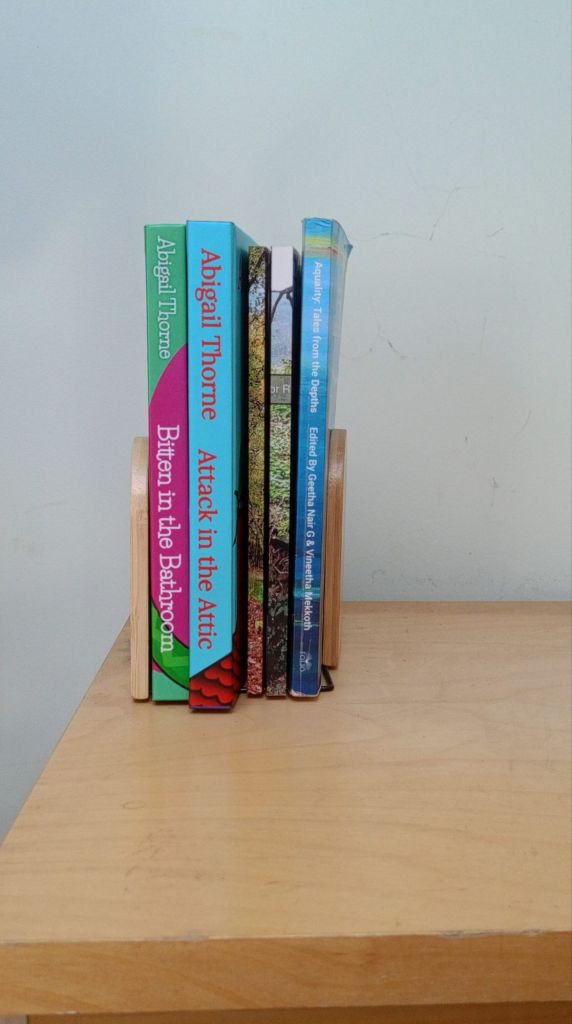
Over the past few weeks I have been busy making hardback and audio versions of all my books. I began with Attack in the Attic, and I must admit it gave me a rush to see my creation as an audio book. As for the hardback, I ordered a copy for my book shelf the minute I completed it. Hard backs say serious author, so I have already created a place to display them on the chest of drawers by my desk. Death of a pilgrim isn’t there yet as I only just finished converting it, but it is available on Amazon. I plan to convert Mass Murder once I have finished the first draft of “Corpse in the Cafe”, the next book in the browns books series.
When Amazon first gave me the opportunity to take part in their Beta trial to make audio books with AI, I was doubtful. For a long time I did nothing about it. The voice was AI generated and I though it would sound mechanical, and what about writers using artificial intellegence? It is so controversial, was I in favour or not? My mind went backwards and forwards, this way and that, everytime I read something new I changed my mind again. Then I discovered I had a problem with my eyes and that I was gradually losing my sight. The thought of not being able to read was devastating. I joined the hospital waiting list to have my eyes operated on. The problem was They could only do one eye at a time with a six month recovery time for each eye. That’s a long time go go without a book to read. After the first operation I discovered what at blessing Audio books are. As I recovered from my first operation I listened to several Audio books with computer generated voices and realised how important accessibility is and it convinced me. When I started on Attack in the Attic, I spent a long time editing, adding pauses and correcting pronunciation. The result was good but not yet perfect, it’s difficult to get the correct inflection. Of course a good narrator would be better, but also would be outside my price range. I liked the result better than some of the shockingly bad human narrations that I had heard and decided that although human can be better it isn’t always, once or twice I couldn’t tell the difference and had to read the credits to check. Amazazons Virtual Voice isn’t quite that good but it is much better than I expected. Since I started the program has improved and I am exited about having all my books in an Audio format. I created hard back versions at the same time, or rather Amazon did with a bit of help from me. It all takes time, or should I say it takes time if you want them to be as good as possible. I am still learning every time I try something new I have to learn a whole new process. I know that in theory you only have to push a button but it never happens quite like that for me. Even finding the right button to push is sometimes an obstacle. The biggest problem is that if you get it wrong you are in trouble because they no longer have people to help you put things right. AI Strikes again! Trying to convince and computer that you are not very good with buttons is impossible.
So is it a brave new world? I want offer a cautious yes, but we might have to wait a while for a definitive answer. In the meantime try one of my audio books and see what you think, I’m rather impressed with the result and will be well pleased if it makes my stories accessible to people who are partially sighted. If you only have the time to listen in the car or on the train then it would work for you. At the moment they are only available from Amazon but who knows what the future will bring now I have the bug. There are links on my book page.
In my last blog, Diary of a Writer, I talked about the benefits of writing every day and building up a routine and said that I don’t always do that because life sometimes gets in the way. Looking back, it seems that those words were prophetic. A few days later I was given the date for an eye operation, I had been waiting for. The result is six weeks of being unable to write anything. (I was told not to use a sceen). I couln’t see well enough to read either, and was very grateful for audio books. The down side of having the operation is that I have ‘lost the plot’ in the sense that the thread of the story I was writing no longer exists in my mind. The up side is that I won’t go blind, at least, in a few more years. Fortunately I have notes, so that when I begin again I do have somewhere to start. In the meantime I have some catching up to do in the form of emails, routine admin tasks also some marketing tasks to carry out. Last weekend I went out for a walk for the first time since before the op. I wore sunglasses to protect my eye, and it was pouring with rain (I Looked a little odd) I was determined to get out into the countryside. Six weeks of doing nothing except on days when I had a check up at the hospital was killing me. (Not literally)
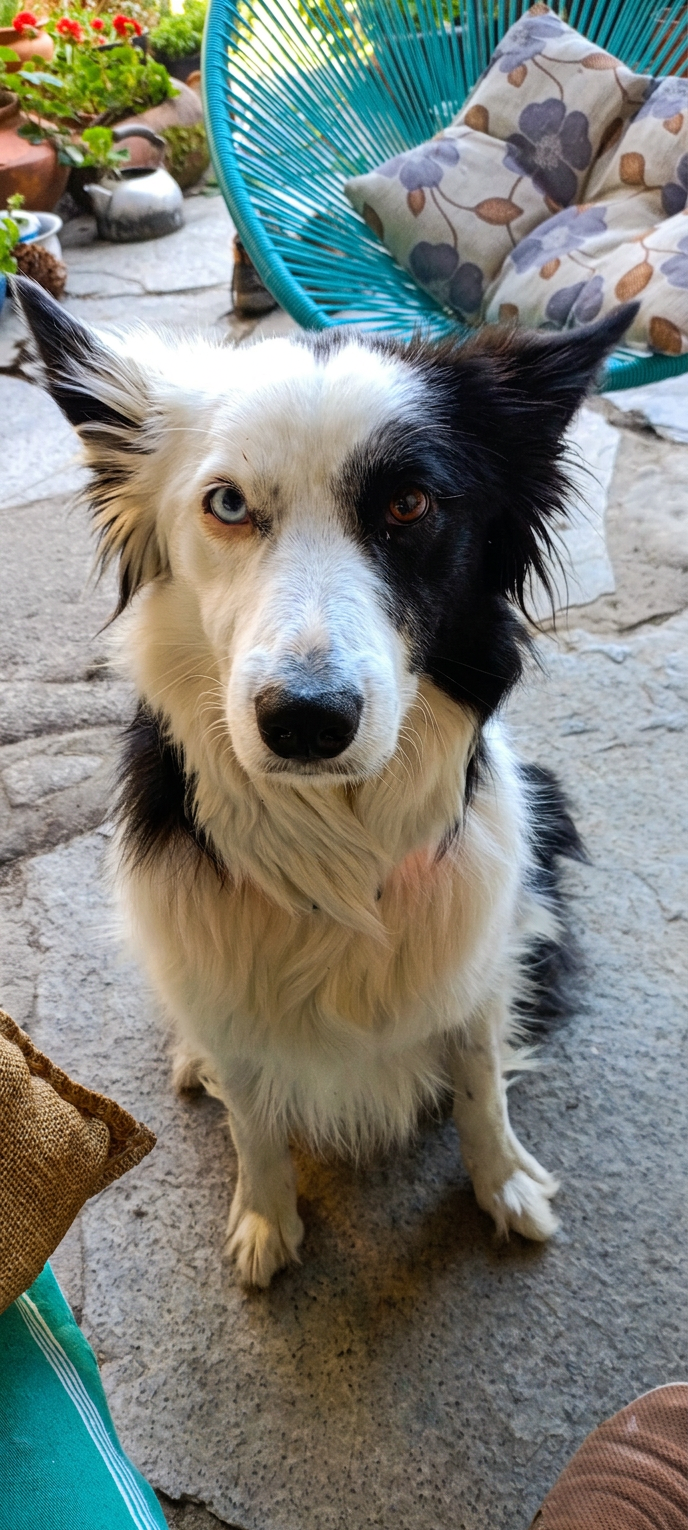
We decided to follow a way-marked Route, and take the dog with us. This was a bit of an experiment as Welby, our two year old Border Collie, has been very car sick ever since we got him. Last week Steve took him to the vet (less than five minutes in the car), and said that for the first time he was fine. He enjoyed looking out of the window and generally enjoying himself. Now unlike many dogs he loves visiting the vet, and gets more and more excited the closer he gets to the surgery so we wondered if his expectation of a treat was the reason he wasn’t sick. We wanted to try him on a longer journey where he didn’t know where he was going. The dog was fine although I would be hesitant about a very long car ride, without seat coverings and towels to clean him up. He loves long walks so this will open up a whole new world for us all.
Welby
Note the collie stare
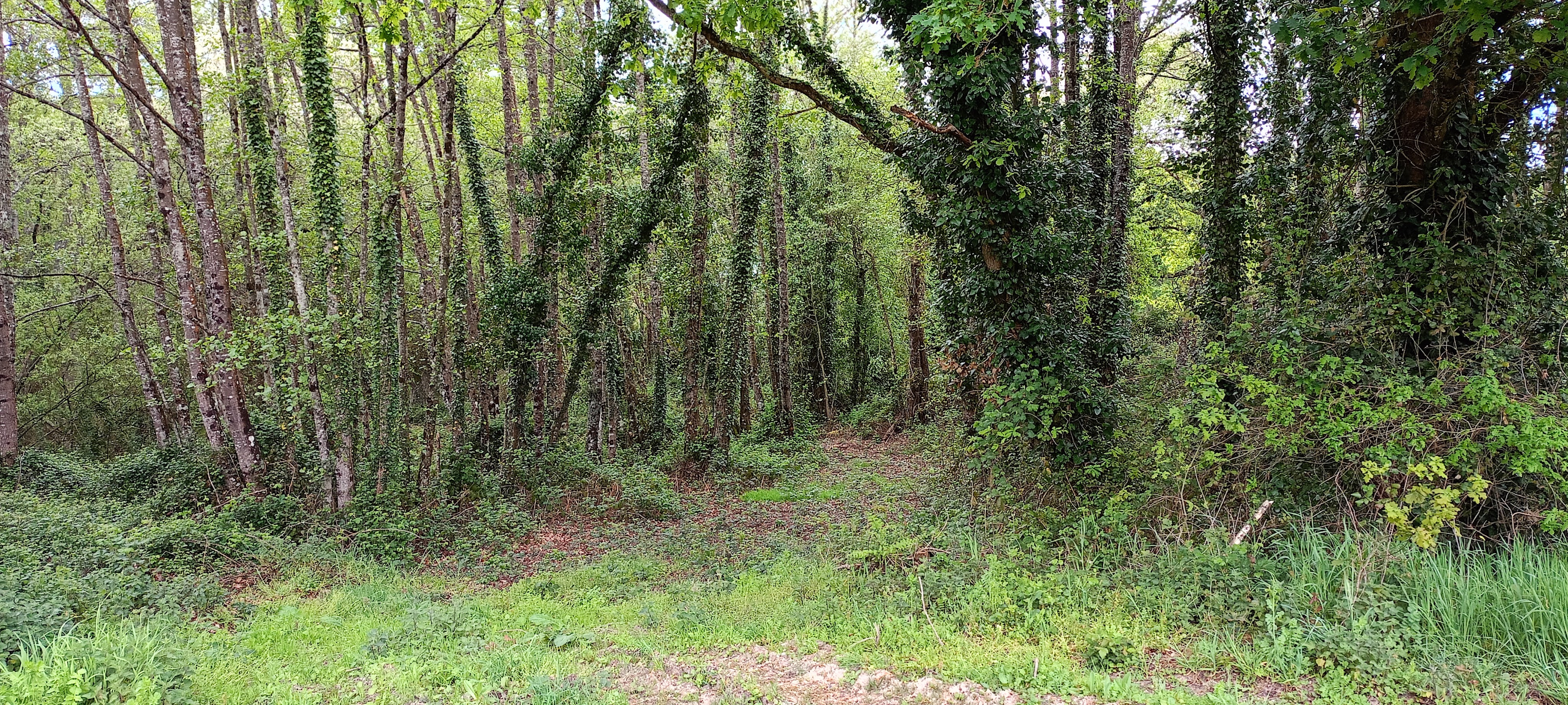
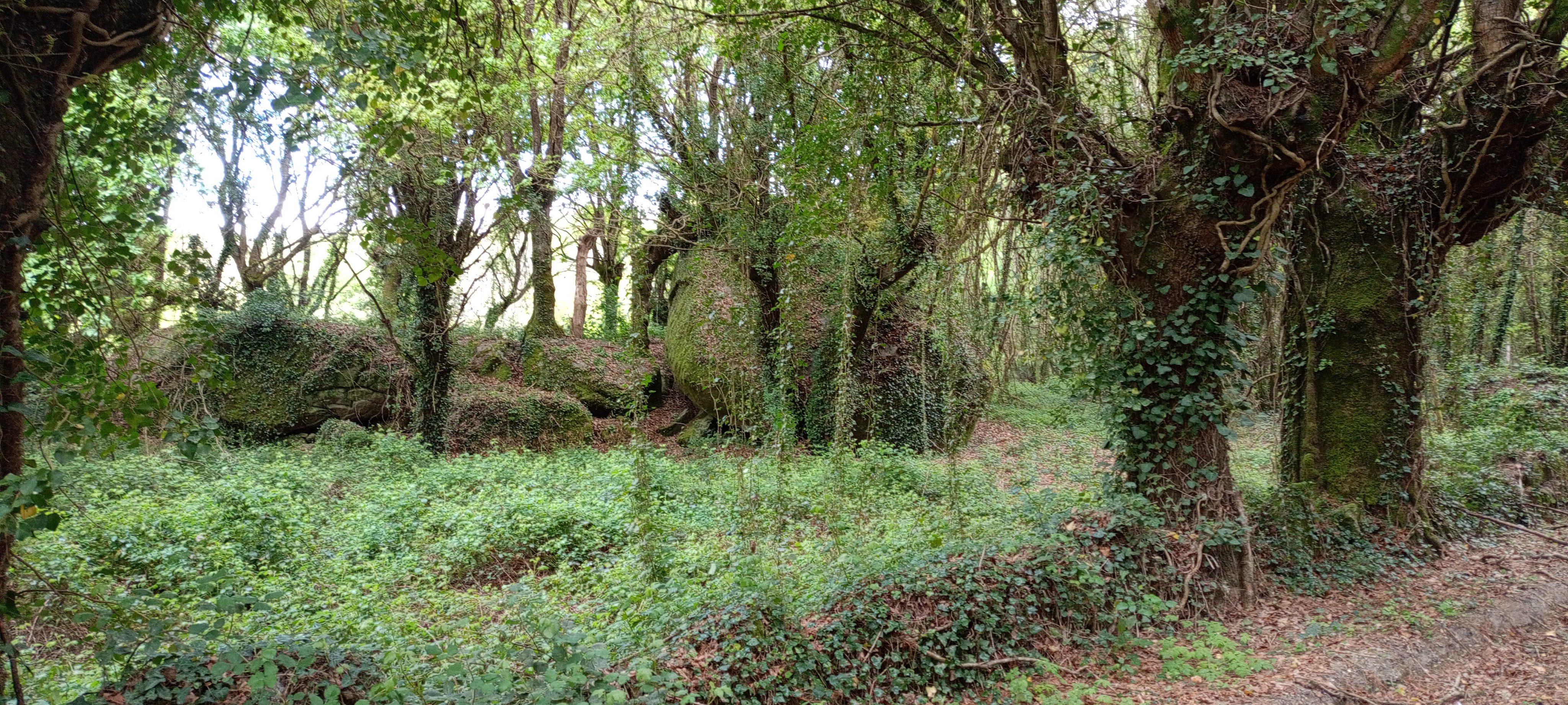
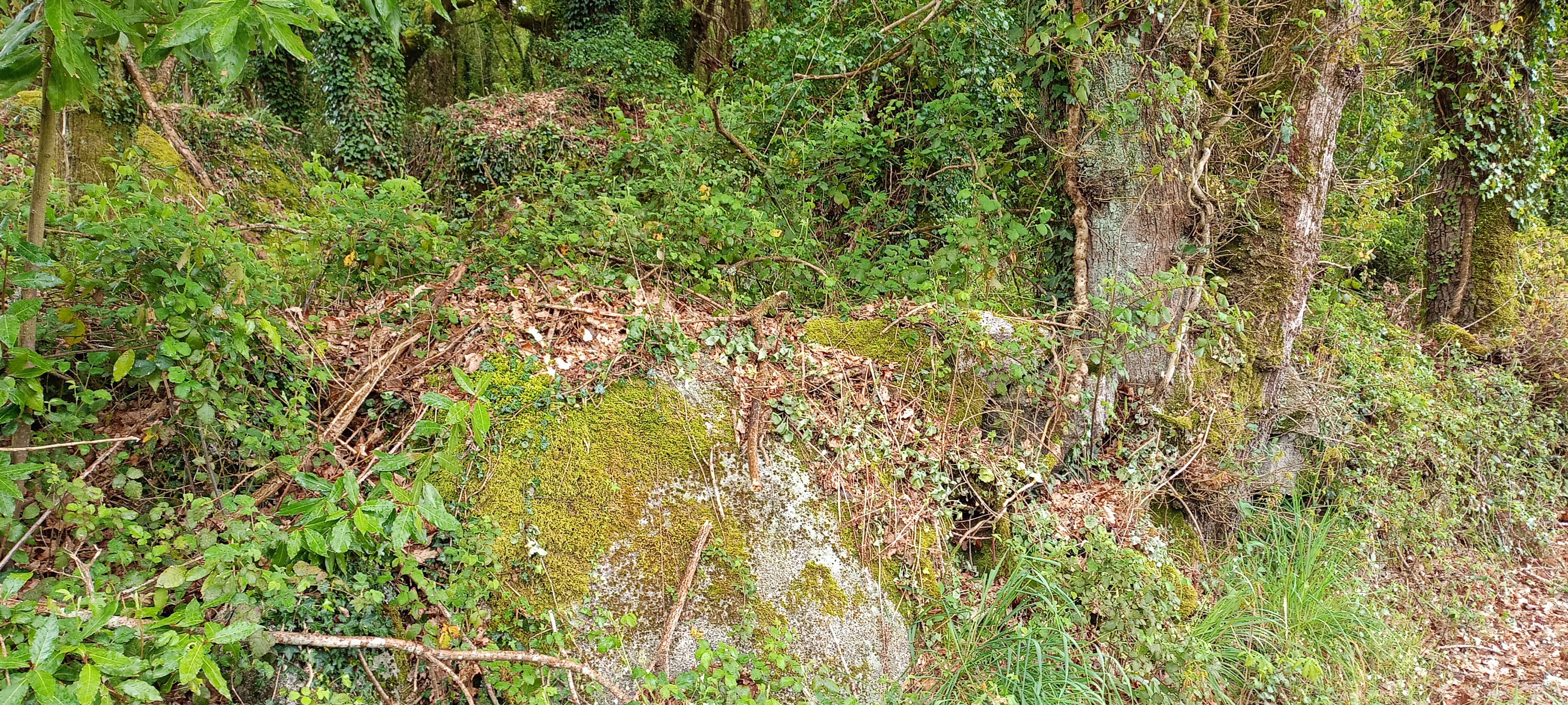
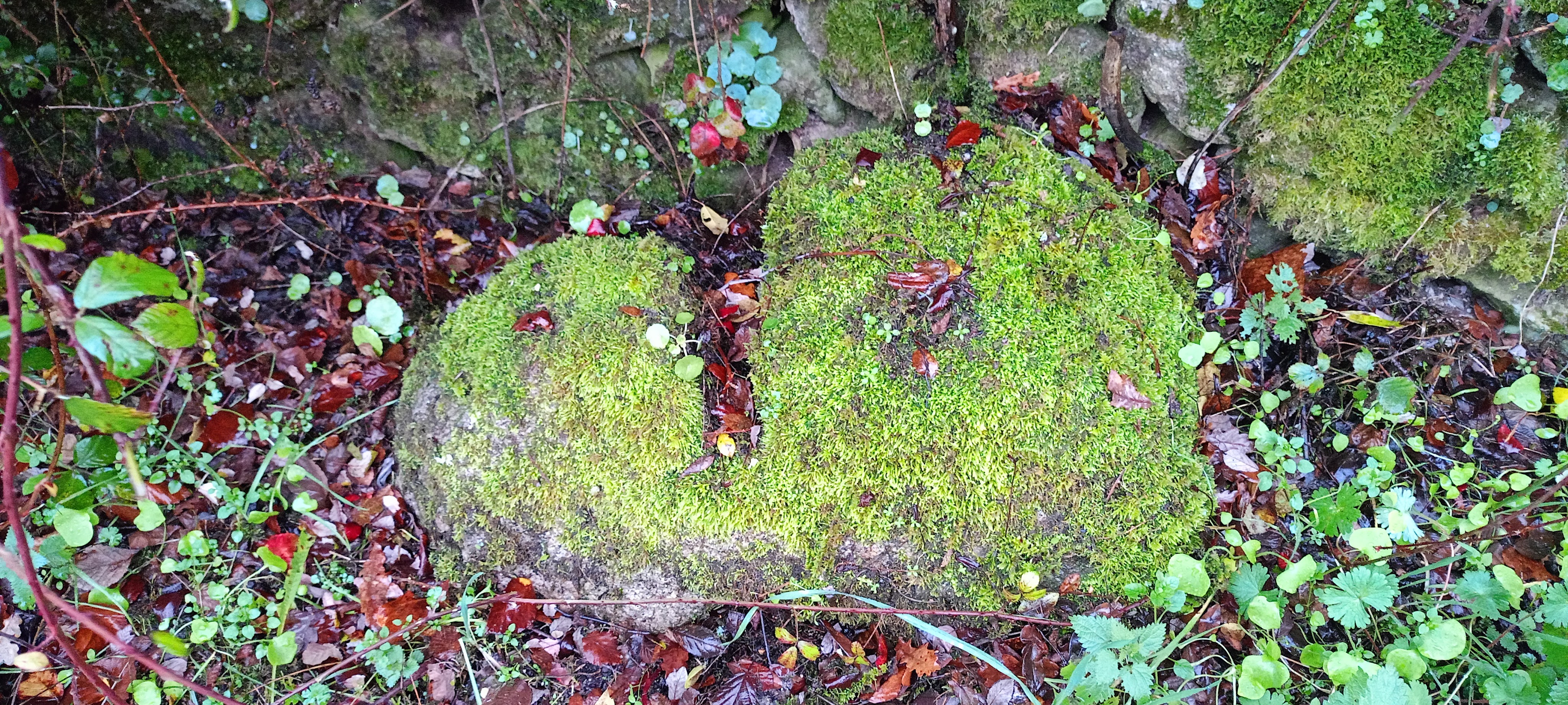
We started walking in the rain, but the path was good enough for me and my wheels and it wasn’t long before the sun came out. We though we were walking to a castle at the top of the hill and then back down into the village of Páramo. Turns out that we had got that wrong, but we didn’t realise this at the start. The path was pretty rather than dramatic, cutting through farms and patches of woodland. Hamlets of two or three houses dotted the landscape but we didn’t come across any people. There was plenty to look at, piles of giant rocks were everywhere in the woods and in the fields, like huge cairns made by an ancient race of giants. I assume it’s an ice age thing, however else could such enormous pieces of rock be piled so precariously on the top of each other? Let me know if you know otherwise. It’s fascinating and in places a little bit spooky, I would have loved it as a child, clamouring, making dens playing hide and seek or even camping out under the overhangs. Do kids still do that, or have videos and computer games replaced that kind of thing?
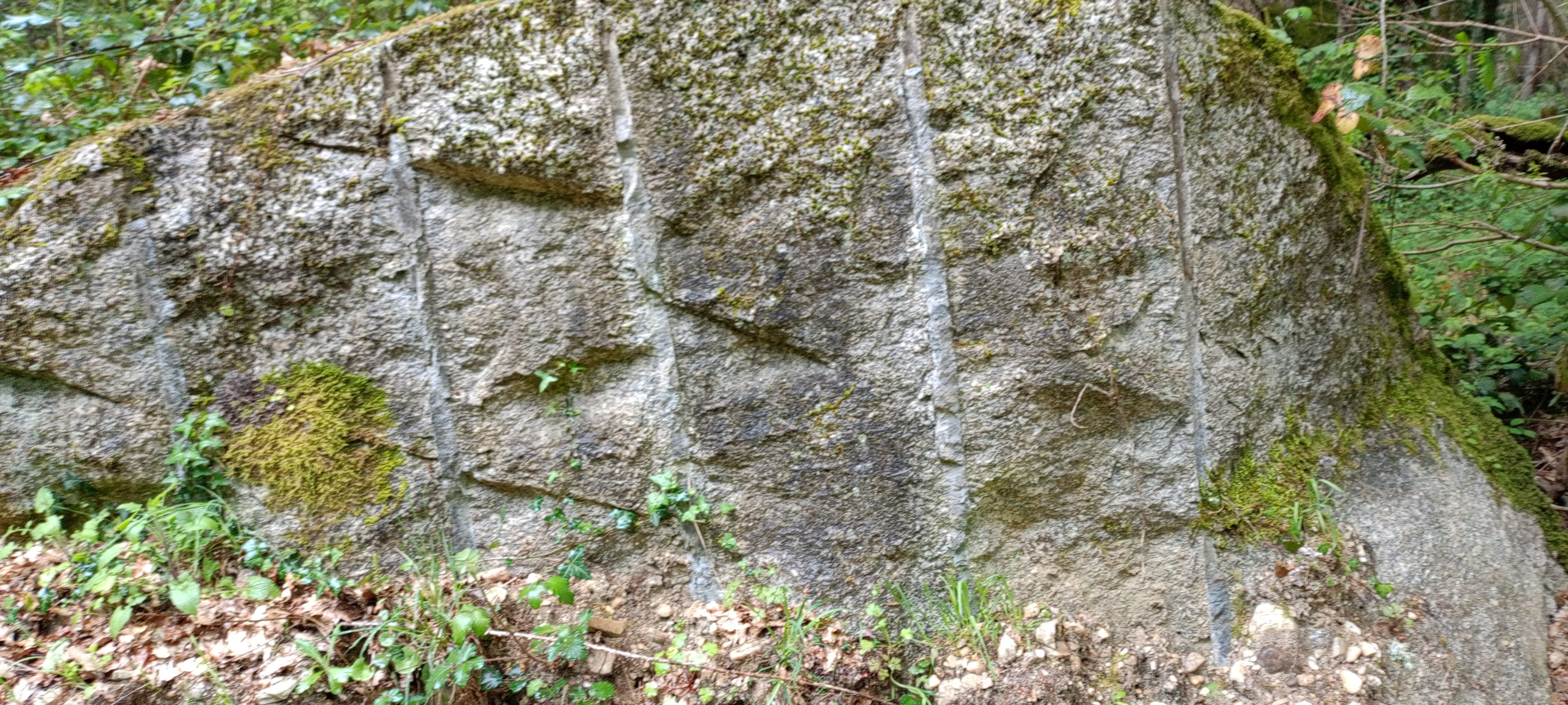
Another interesting thing was the strangeness of the dry stone walls. Dry stone walls aren’t strange here they are the norm in Galicia and vary in the construction technique used from place to place. These were different and included oversized stones with strange markings, Gate posts which were too grand to be field entrances. Rocks of very different sizes fitted together and though the builder had abandoned everything he knew in order to make it work somehow.
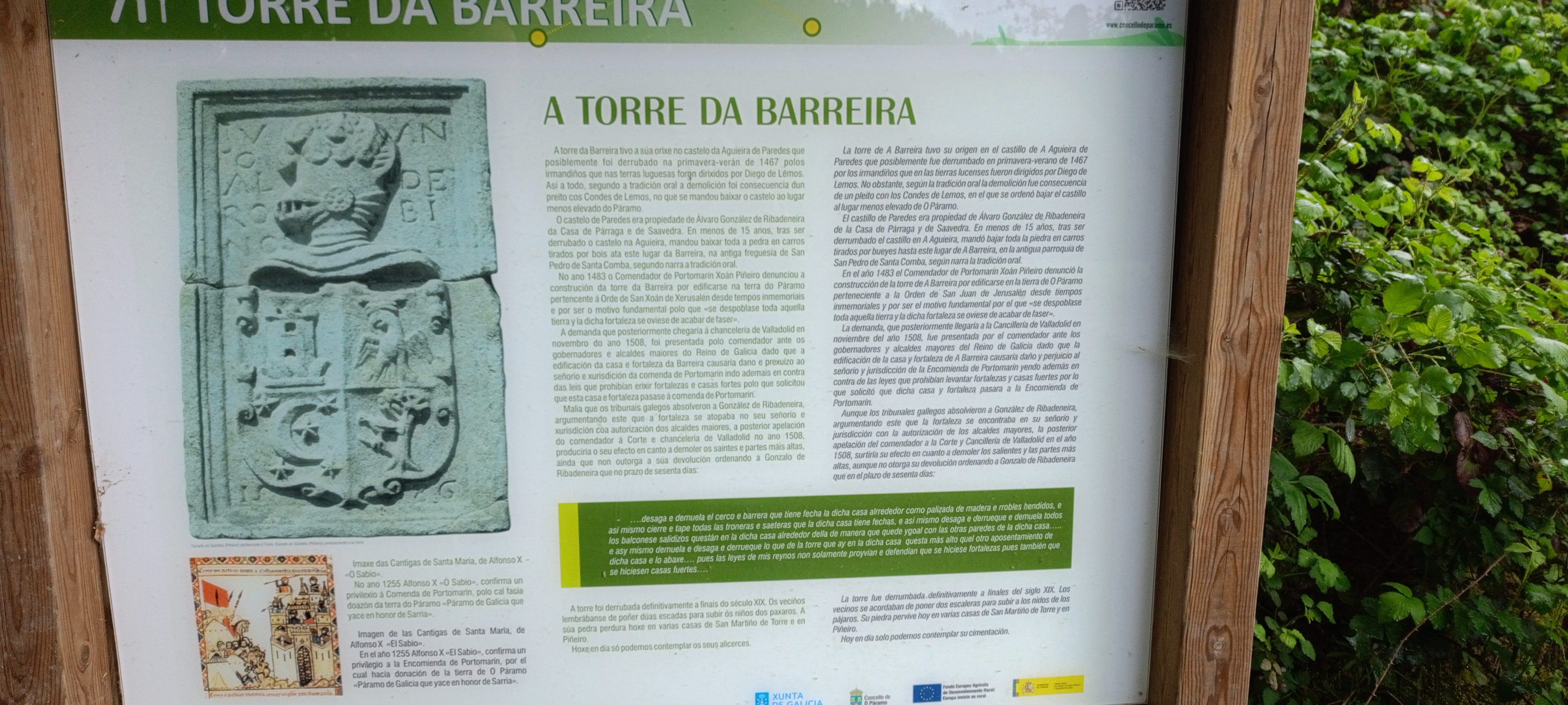
As we approached one of the tiny hamlets, we found an information board which gave us the reason and its an interesting one. The castle at the top of the hill, The Torre de Barreiros, was knocked down sometime in the the twelfth century. Almost a hundred years before it’s eventual demise, the then owner got into a dispute with the local council, something along the lines of a planning dispute. The nobleman who was in charge of the council ( Which was less of a council and more of a lord who employed his relatives to police his lands) took it personally and started a battle which lasted about ninety years, and ended nastly with the owner being thrown in jail and told his family were about to be tortured unless the castle was taken down. Not content with winning the dispute, the family we told that all of the building materials were to be taken away in horses and carts so that no castle could be built on the site in the future. A task that ruined the family. Lumps of granite perfect for building are scattered naturally across every field had to be removed along with the castle walls so they couldn’t even build a house. The locals took advantage, to move not only were they paid to move the rocks, they took the opportunity to use the stone to build their own houses and field boundaries. If the council realised what was happened they didn’t object. As long as the castle was destroyed and the family punished no one cared where the stone ended up.
I wanted to nose around the villages looking for castle stones but unfortunately there was a local fiesta and the fireworks signalling the start the parade and mass, scared Welby. He might have grown out of his car sickness but I can’t ever see him getting used to fireworks, especially the ones with load bangs.
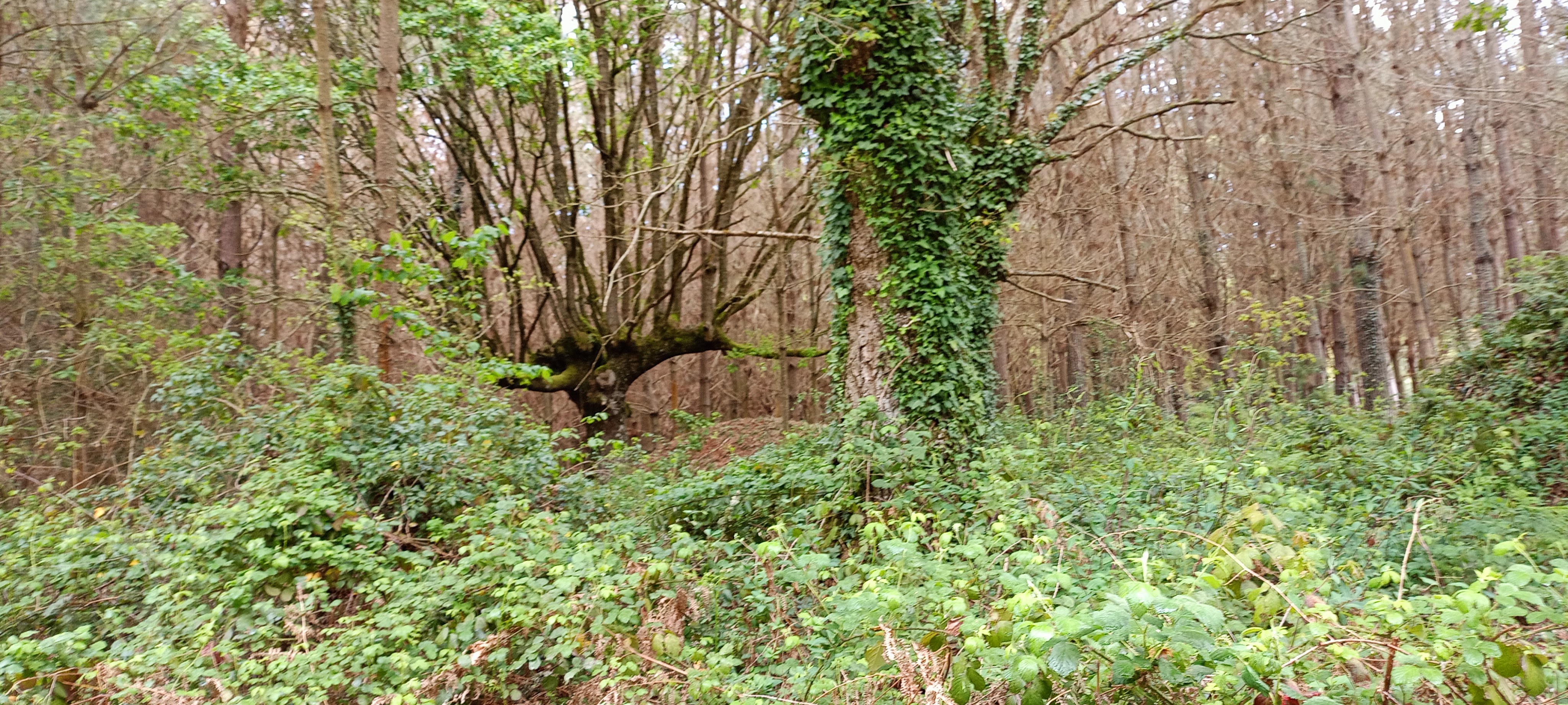
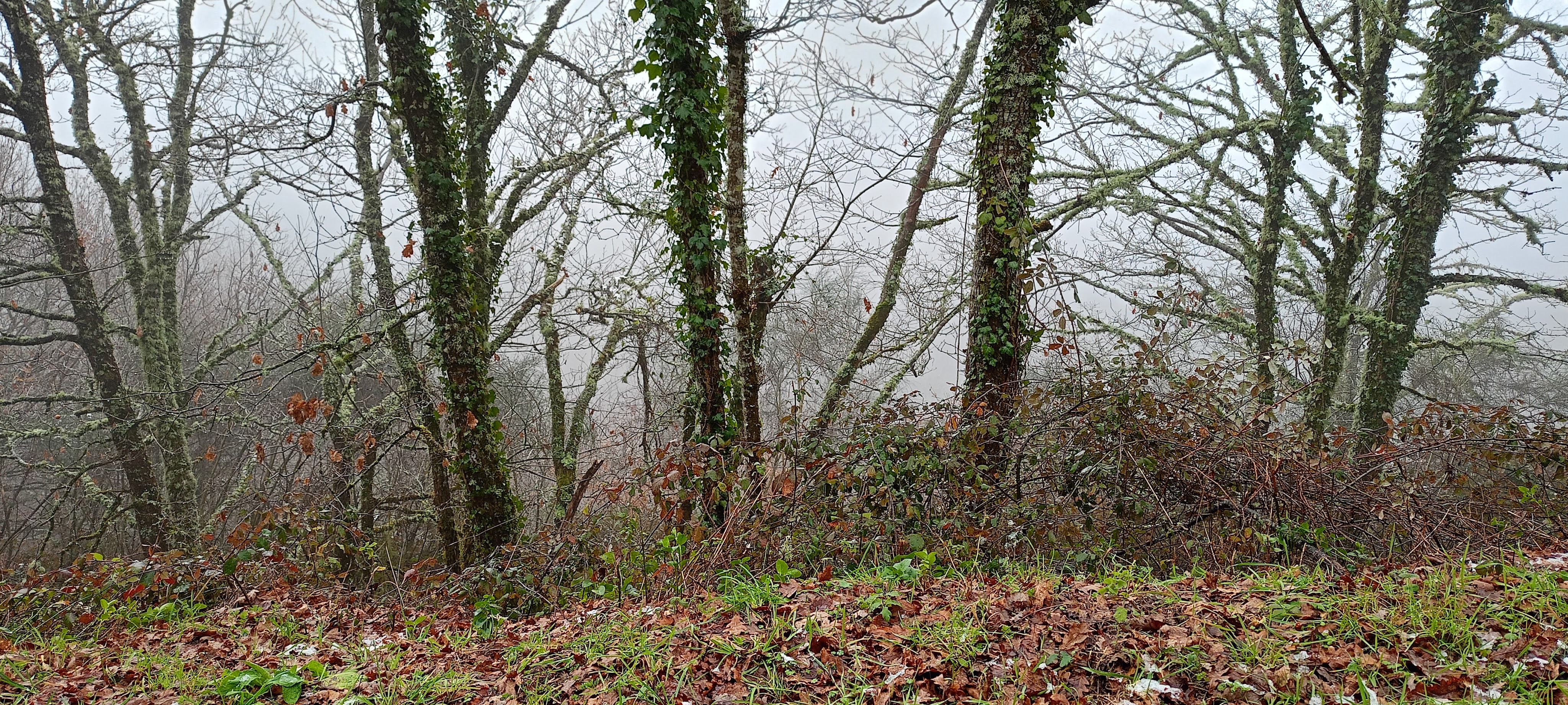
Notice, I’m using the dog’s fear of fireworks as an excuse because, to be honest, I was glad to get back to the car as I felt worn out. We will return to look for the castle remains though it was a fun walk and an interesting piece of history. One last photo. This tree is a beautiful relic of sustainable agriculture, livestock usually pigs roamed the forest floor eating acorns and young shoots thus managing the woodland and the oak trees were pollarded in this way for firewood. The tree made new growth each year but the young shoots were too high for grazing animals to eat and the tree was protected and allowed to grow old.
I’m more or less back to normal now, I still need to be careful and won’t be allowed to drive ’til the consultant signs me off, but in a practical sense I am back doing the things I do. The next diary of a writer will come in the next couple of weeks and I’m looking forward new adventures in the wild, getting creative out in nature. I am planning some new projects, now that I can see again and I’m excited about that. So join me next time for more about living in the Galician countryside and writing crime fiction.
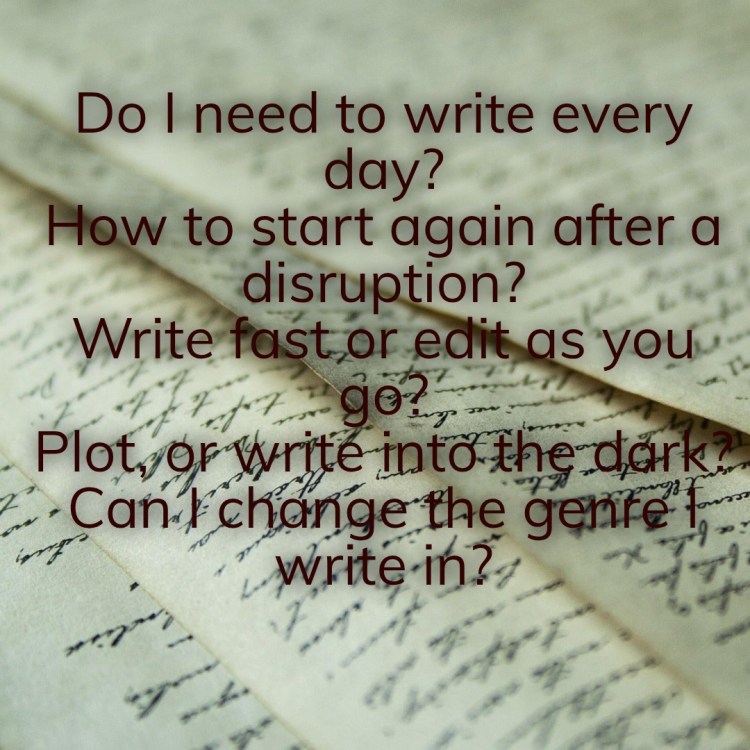
Typically, new writers ask themselves several questions. Questions that never go away entirely. When I started, other writers, either in person or online, gave me their answers to these questions. After I had been writing for a few years, I realised that there are no fixed rules. Success (in my own terms rather than financially) would only come, if I found my own way and my own routines. After a few more years, I understood many of the emotional ups and downs can trip you up and how easy it is to burn out if you are not careful. I found myself asking the same questions again, and to my surprise, my answers were different. Now I review my writing routines and habits every few months to keep me out of a destructive rut. Let me unpack each question, so we can compare our answers.
Question 1. Do I need to write every day?
There are good reasons for creating a daily writing habit. Books take a long time to write, and most of the time it’s about sitting down at your desk and ploughing on. If you only write when you are in the mood, your book will never get finished. You need to train your creative reflex so that inspiration comes when you sit down to write, not the other way around. The more often you write, the more your writing will improve. It doesn’t matter how many writing techniques you have learned; repetition is the greatest teacher of good writing. Writing every day reduces the pressure to perform. When writing becomes a habit, like washing up, it doesn’t matter if you have a bad day. Sometimes you need to delete a whole load of words because they don’t work, and if you write every day, there is always tomorrow to write new and better words. You stay connected to your work in progress so that you don’t waste time rereading the last few chapters to orient yourself every time you sit down. Honestly, writing a book takes a fair amount of stamina even if you love the process so you need to build in self-discipline. No one can help you with that.
Let’s be realistic now; life gets in the way of that. Medical issues, the needs of your family, running a household, and unexpected events all mean that you miss days or weeks. At the moment, for example, my old dog Rowan, who is fifteen, is very poorly. I am writing still, but my heart isn’t in it. I don’t believe in treating dogs like children, but even so, I don’t want him to die alone, so I’m spending as much time checking on him as I do sitting at my desk. I am waiting for an eye operation with a long recovery time that will not allow for a daily writing habit. I could go on. You will have your own restrictions, and this isn’t an all or nothing occupation. Remember that you need to be kind to yourself don’t let rules get in the way of living your best life.
So do I write every day? No, but I do have a Plan B. If I know I’m not going to write the next day, I make a few notes to help me get straight into the story the next time I’m at my desk. I don’t rely on feelings; if I can write, I do, even if I’m not feeling it. I set long-term word targets instead of daily ones, so that it doesn’t matter if I write loads on one day and not very much the next. We are all different, and in my experience, it takes a long time to work out a pattern that works for you and your circumstances. The most important thing is to enjoy what you are doing; don’t let it become a burden or a chore. Your emotions and your attitude to writing will find its way into your story, that’s what makes your writing unique. In the age of AI the one thing that makes us stand out is the joy that seeps into your work. What do you do? Do you write every day?
Next time we’ll talk about question 2 : How to pick up your project again after a disruption.
Just a quick extra post to ask you to pray for the People of SW Spain and Portugal thousands of people have lost their homes already. Thousands more have been evacuated and don’t know what will happen. The weather forecast predicts more rain and more storms in the coming weeks.
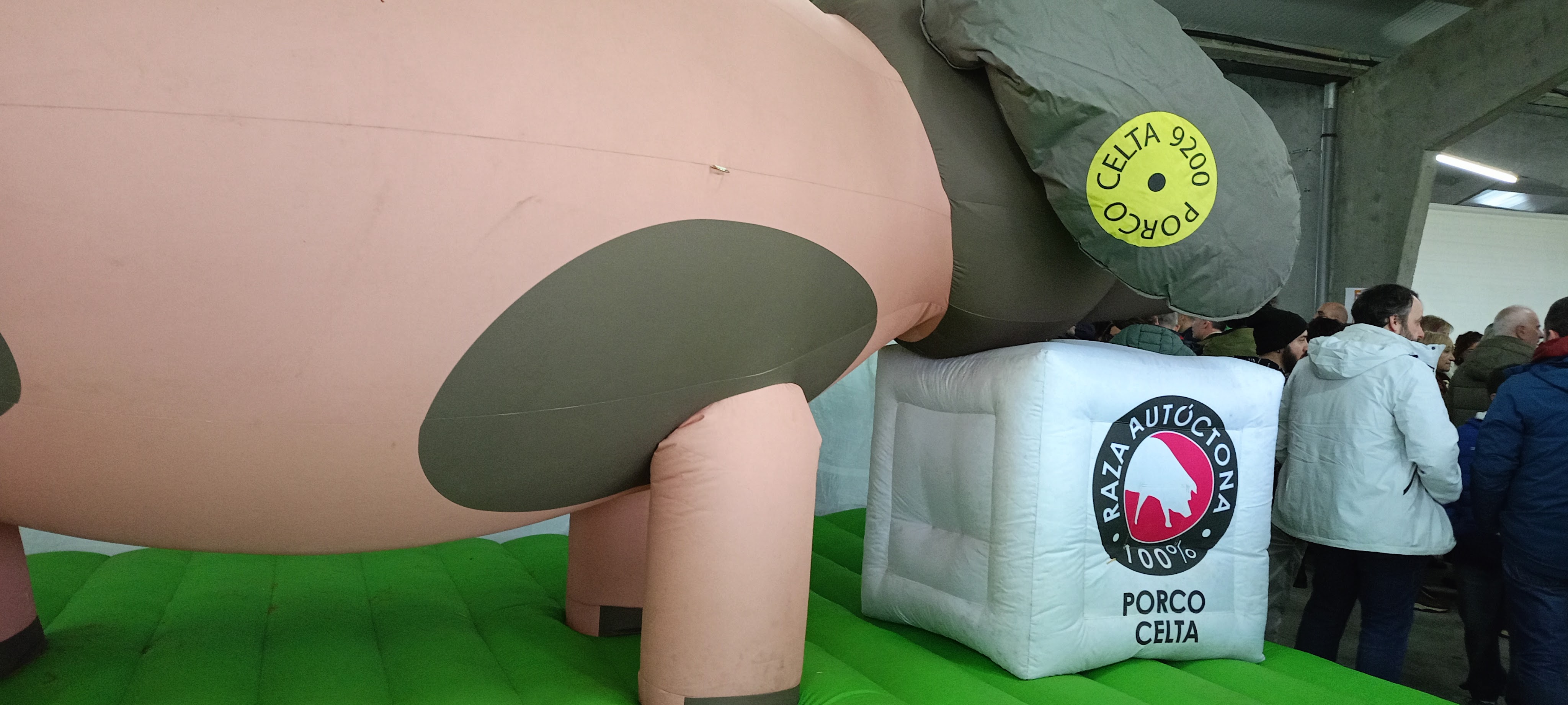
On Saturday we went to the Fiesta de Porca Celta with our neighbours. Porca Celta is a local rare breed of pig. The Celtic Pig was prevalent in Galicia before the Franco era and almost died out, but is now being bred commercially again by a group of enthusiasts. The oak forests around Sarria are perfect for an animal whose primary natural food source is acorns.
Since my neighbour is a butcher, this is quite an important event for him, especially as his shop specialises in high-quality free – range rare breed pork. It took place in the local cattle market. No cows today; this was all about pigs.
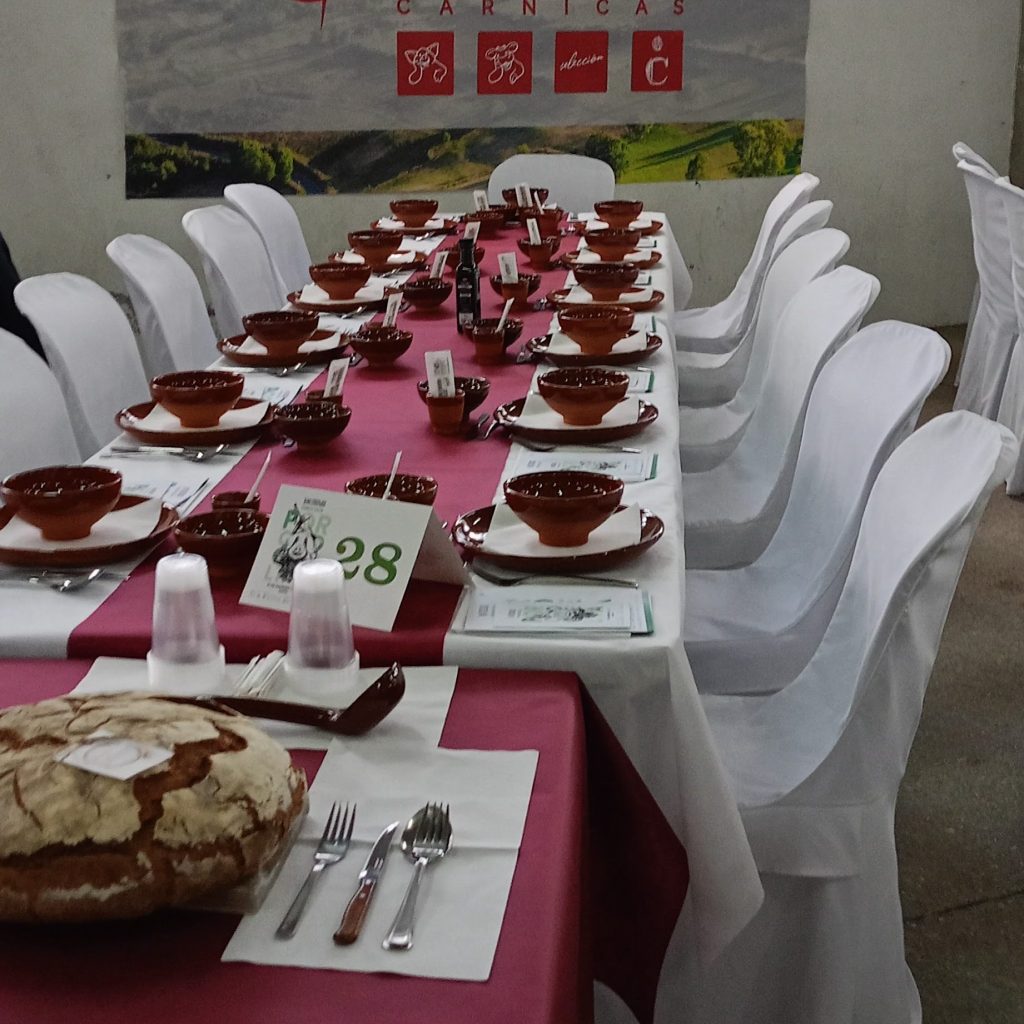
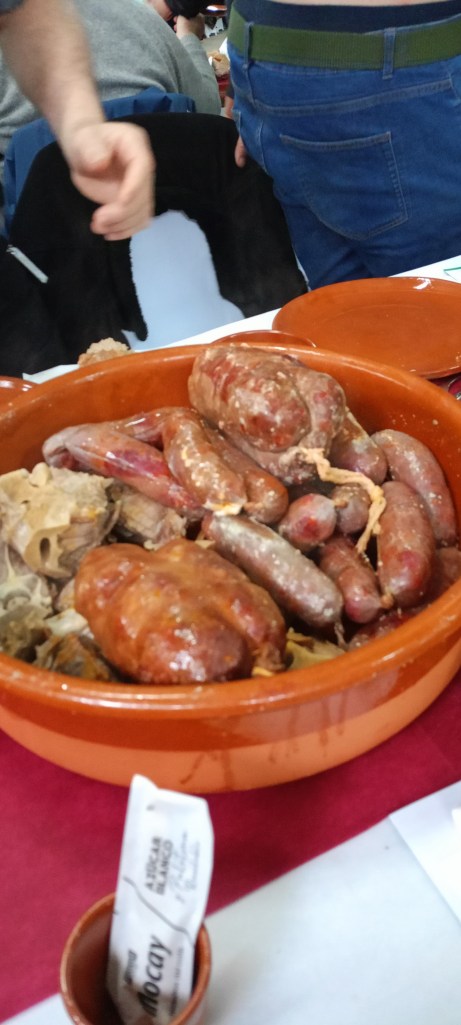
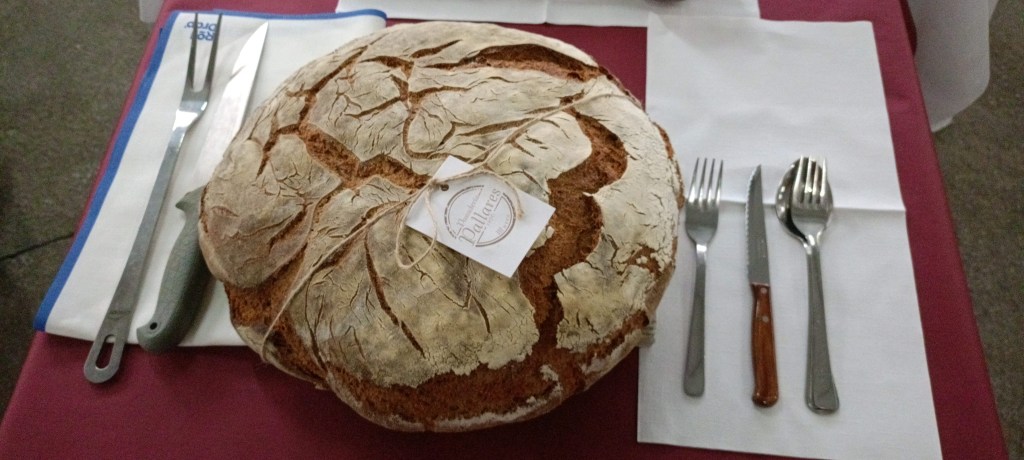
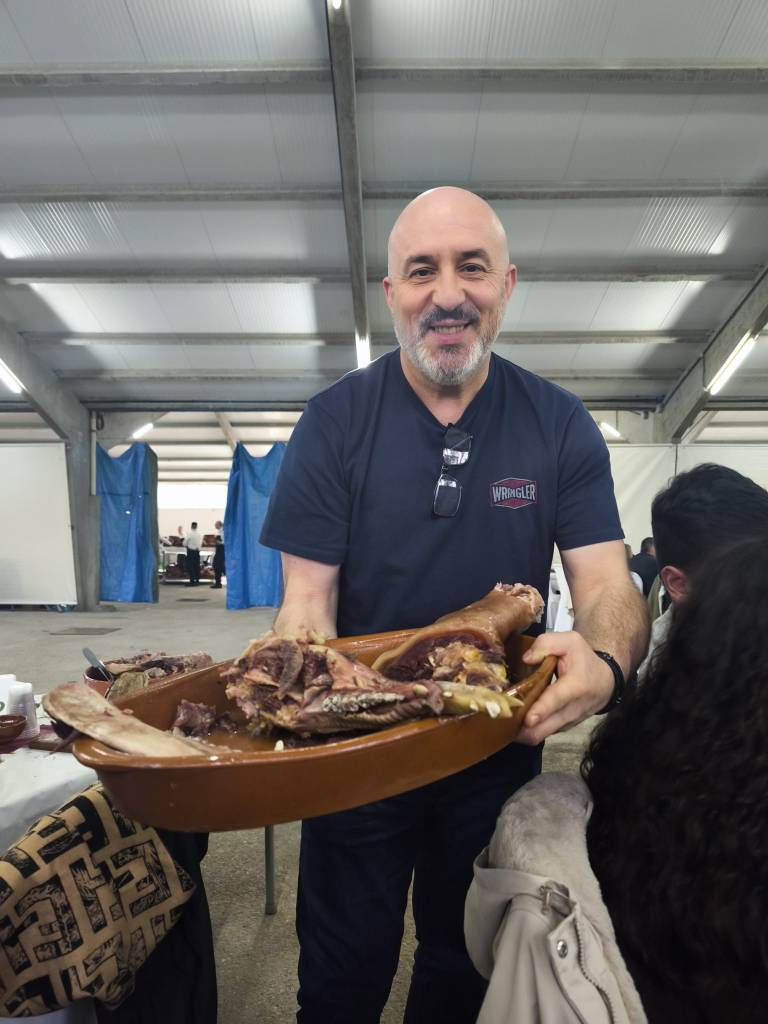
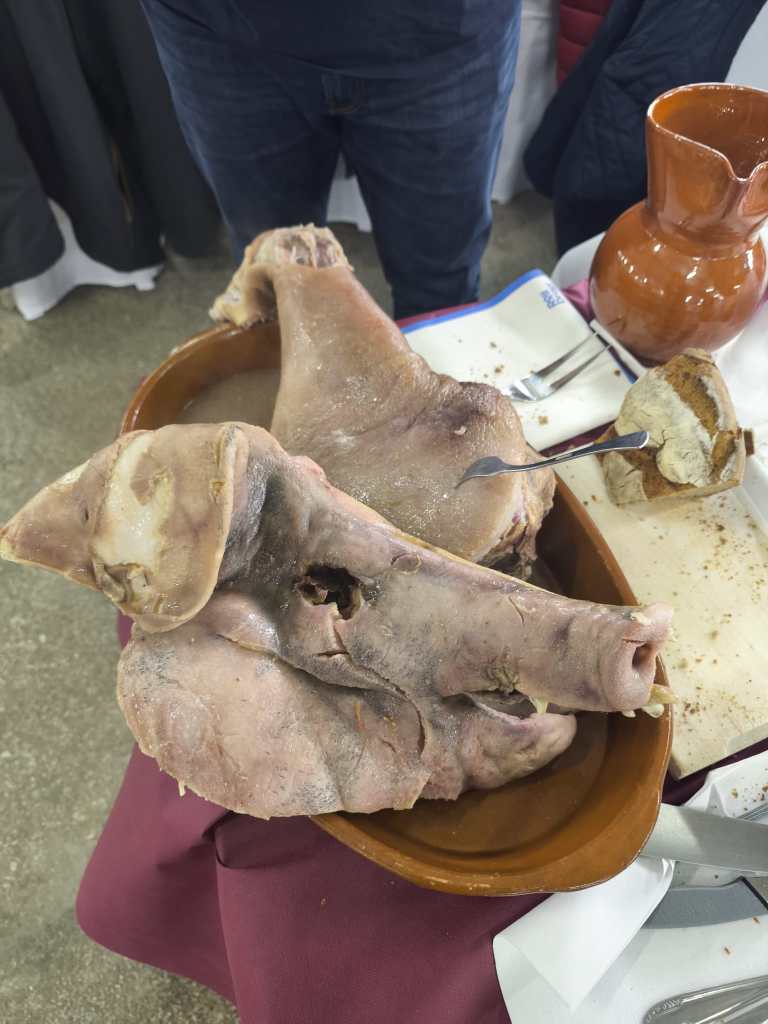
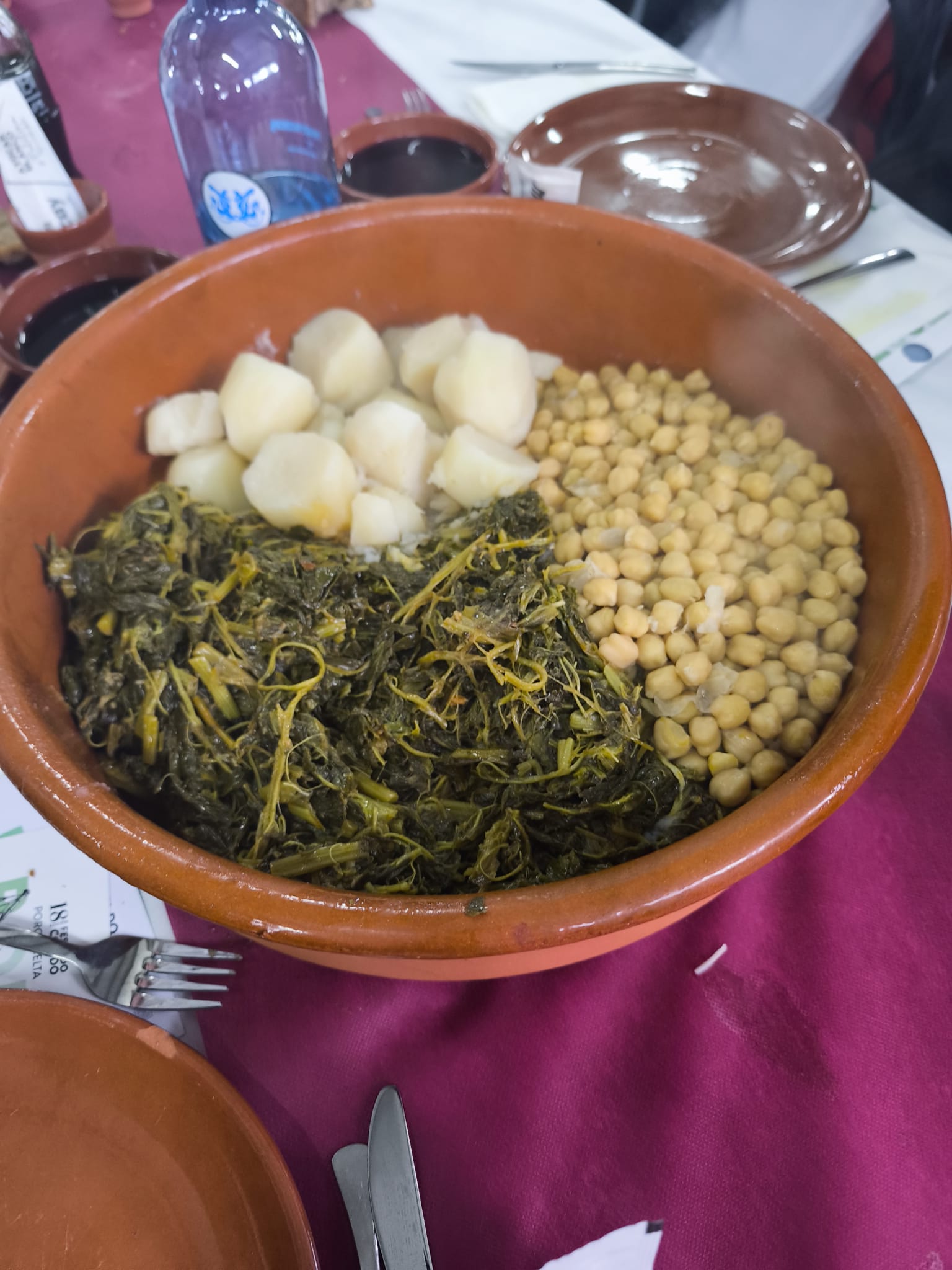
The festival comprised a reception with the chance to talk to and sample goods from local artisans, followed by a Cocido Gallego (pig’s head stew) with local cheeses, served with cake and membrillo for dessert. And, of course, coffee, and orujo.
We arrived early, and people had already packed the hall. It was much too crowded for me, so I found a space by the inflatable pig and watched.
I was a little nervous; we were part of a table of thirteen and the only people I knew were our neighbours. I don’t speak Gallego, which is the local language, so I wondered if I would feel isolated when the time came to take our places.
I enjoyed watching the crowd, though. Spain is a social nation, and creating business contacts and making friends follows the same pattern. People stopped to chat: the woman who serves me in the chemist, a couple of Steve’s old students, one of the waiters from the cafe where I sometimes have coffee, and so on.
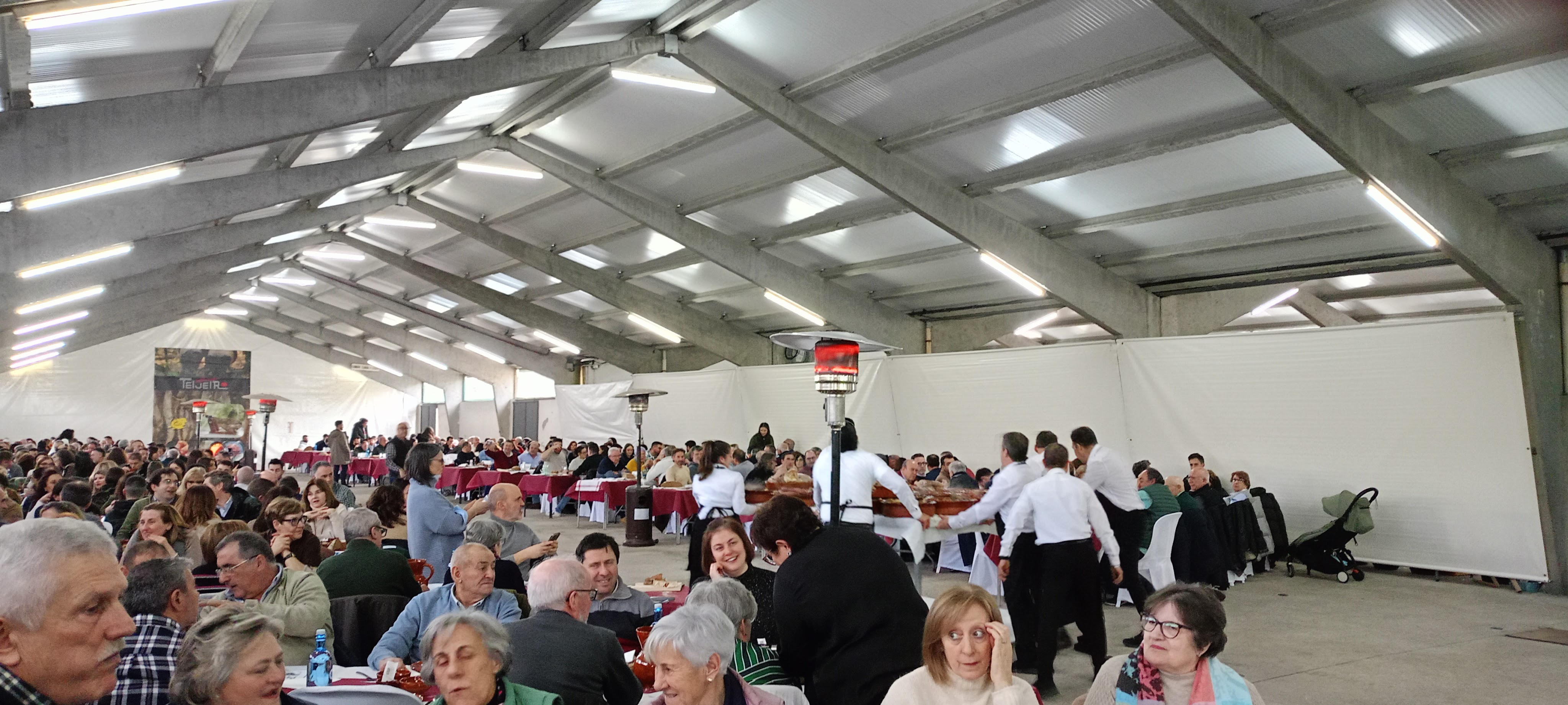
Soon it was time to move through to the dining area, it was impressive, sixty two tables of thirteen and a top table for council members and dignitaries.
The format from then on was like a Burns Night supper, if you have ever been to one of those. Two bagpipe players and two drummers piped in the food. The servers brought out the broth first, and then big platters of meat and potatoes followed. The wine was in jugs, and they were bottomless. There was more food than anyone could eat.
My fear of feeling isolated was groundless. The lady next to me also didn’t speak Gallego. She spoke English because she had attended university in New York and obviously Spanish. Her husband spoke Spanish and Gallego, so we communicated in Spanish and English. One thing I love about Spain is that there is very little social hierarchy, so at our table there was a doctor, a dentist, two shop assistants, a factory worker , a police officer, a hotelier plus others. No one competed for status, and no one discussed their work unless someone directly asked them. I only knew because my neighbour pointed people out before we sat down and gave me their family history while she was doing it.
Cocido is one of those traditional dishes that you need to have been brought up with to really relish. But here are the photos Would you enjoy this?
A Quemada rounded off the event. (Bowls of orujo mixed with sugar and spices and set alight.) I loved everything, except possibly the main course, and we will gloss over that. The whole spectacle ,the company, and the feeling of being part of a local tradition make me feel as though I am integrated into the community. I met people who will stop and chat if I see them again, and that is important in a country where social life happens out on the streets, rather than in people’s homes.
As an immigrant in a country, you never truly fit in, you have no shared culture, you don’t always ‘get’ the jokes or the sense of humour, and you don’t have a group of friends you have known since school days. But I love the learning process, and bit by bit becoming part of tomorrow’s culture, because even while the world is getting more dangerous, it’s getting smaller. Learning how other people live and sharing yourself with them will, I hope, make it safer.
The best-laid plans. Today I was going to start a series of blogs called Writer’s Diary. My intention was to tell you about the way I build a story. Not an instructional blog, but an insight into the way I work. I planned to start by talking about subplots because that’s what I have been struggling with recently. That subject is on hold.
So now my writer’s diary is starting with technology. The reason is simple: in the last week technology has failed me badly. In the modern world, writers and the printing industry are reliant on pretty advanced technology. It’s a romantic notion that we write in pencil on notepads, never make a spelling mistake, and have a perfect knowledge of both basic grammar and the latest changes in writing conventions. I read comments on social media all the time from people who claim never to use technological aids. I don’t believe them. The process is too slow. If they write in pencil, who types up their work for the publisher or the self-publishing body? If they do it themselves, then writing becomes a two-stage process, even before the editing starts.
If they don’t think they need to edit their work, it usually means that they pay over the odds when someone else does it for them. If they use a publisher, several people edit at different stages of the process. If they self-publish, the chances are that someone edits and someone else proofreads to pick up the mistakes they claim never to make. It took me a long time to realise that you need either technology or a team of people helping you. The other issue is time: the more efficient you are at using the available technology, the faster you can produce a new work. The creative part never changes; everything that surrounds it takes time. That brings me to my point.
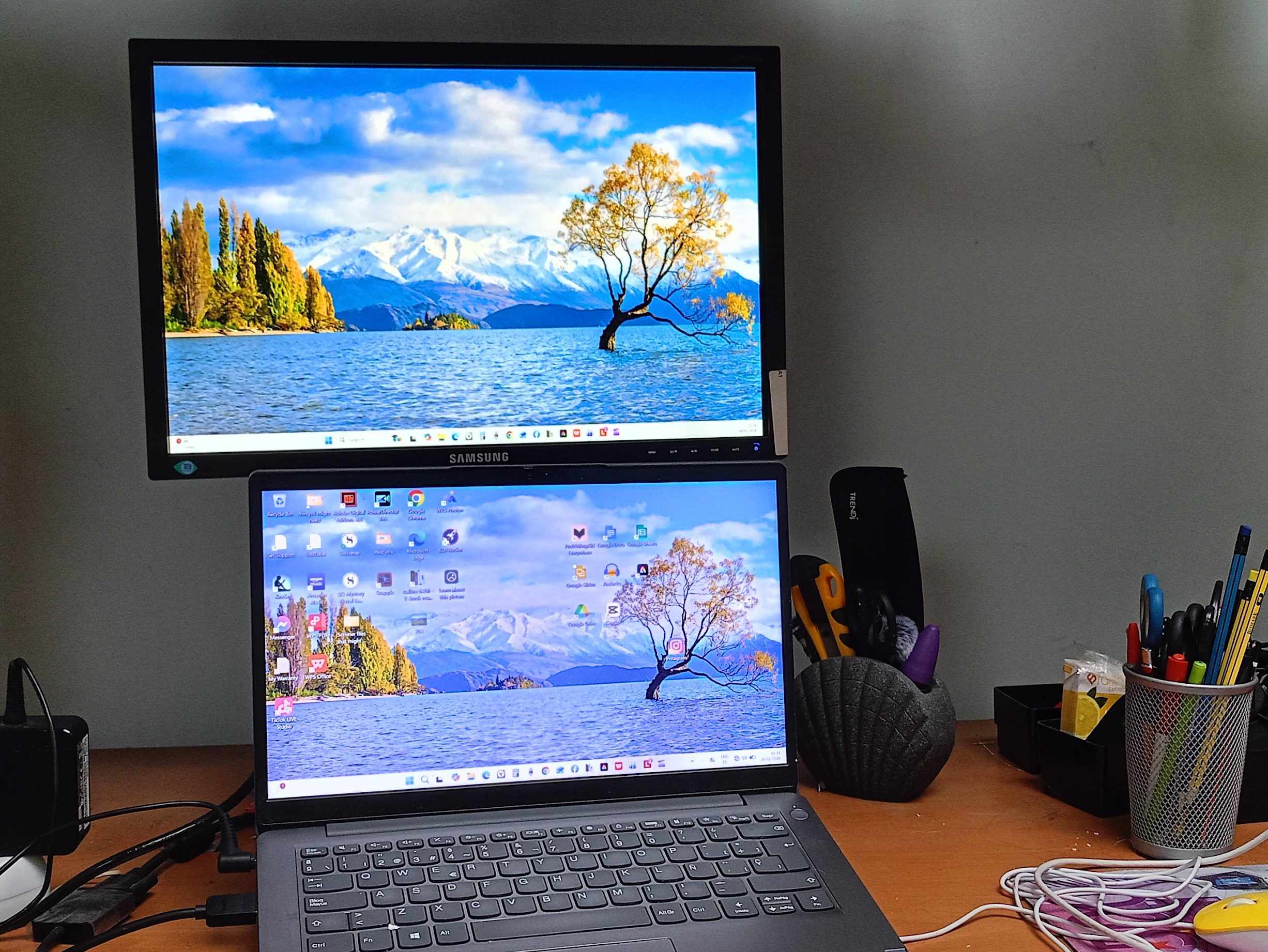
The battery has failed on my computer. On the day I noticed the problem, I spent my writing time making backups of everything, both in the cloud and on a separate drive. Last time I had a computer failure, I lost three-quarters of a new novel, so since then I have been borderline obsessive about backing my work up. The second day we had a storm and our internet went down. I spent that day visiting the computer repair shop to order a new battery and the internet provider to report the problem. Next week I’ll lose my computer for three days while they fit the new battery. I can use it, but only for short bursts before it gets too hot. My writing time follows a pattern. It’s a way to protect the creative part of the day. I set out my desk in a certain way; I have a computer setup that I feel comfortable with. I do things in a certain order. I have a list of jobs and an order to do them being creative is, tiring and I want to preserve that process. When my order is interrupted, I find it a struggle to get any creative work done. This week I have been hitting brick walls, like a sportsman who has lost his lucky socks. When I examine it, it seems superstitious, so it’s time for a rethink. Steve thinks I should stick to using paper and a pencil because they are portable and reliable. I say ‘blow that for a game of soldiers’, but seriously, I do need to be more flexible in my approach. So why do I need the internet to write? Most of my research is done on line. Most of it before I start writing. It’s quicker that way, and I write crime fiction, not history. I don’t need primary sources. Once I start the first draft I need to look things up, check a detail, consult a map, email someone to ask for information, I use the web everyday. I use a spell and grammar checker, for which I need to be online. To make it clear, I use one because it speeds up the process; I do still edit myself, but my first draft is cleaner and better if I use a spell and grammar checker. Editing, like storytelling, takes time to learn, and writers take a lifetime to learn both properly. Technology helps and speeds up that process for me. These days writing aids are the key to quality work because the infrastructure for writers has changed and also depends on technology. So do I have workarounds when I lose part of my system?. No, I hadn’t before this week. Most of this bog was produced using mobile data from my phone and a hotspot. It works well enough, and I pay for mobile data that I don’t use, so it makes sense, but it’s the first time I have used in that way. While my computer is being repaired, I will spend time reviewing my systems. I am thinking of a portable keyboard, so I can use my phone or, better still, a tablet as backup, and so that I can write anywhere. Many people write entire novels using their mobile’s keypad, but my thumbs don’t work that well. I’ve tried it; it doesn’t work for me. I guess I wasn’t born into the mobile generation. I have one and use it, but its like speaking in a different language; you never quite get the nuance, right? What do you do? I would be interested to know.
I admit to being frustrated, and my work in progress is suffering. I have completely lost the thread of the story, and resolving the subplot is the least of my problems. When I am set up again, I will need the first couple of days to read what I have written so far and get back into the groove. I need longer that to regain my momentum and finish the draft. That’s why I need to build in flexibility in the future so I can move from one setup to another without a pause. I need to be challenged from time to time to put me on the road to a better path; maybe we all do. When you get stuck in a rut, the rut gets deeper and deeper until it’s impossible to climb out. I see that on the news every day, as I watch NATO leaders flounder as the USA changes its position in the world order. Some of them are in ruts so deep that they can barely see over the top. This isn’t about politics, though; it’s about adapting to change. I want to; I need to, but I don’t always have the courage to do what needs doing. How about you?
Facebook reminded me yesterday that it is eighteen years since we made the descsion to buy this house. We had first viewed it a couple of months earlier, and we were on our second viewing trip in the area. After a couple of days, we realised that each time we saw a house; we compared it to this one. It wasn’t only the house it was the village that captured our hearts. We decided to try to find the house on our own and ‘poke about a bit’ We didn’t have an address; the estate agent was very mysterious about the location of houses. I learned later he was afraid of us doing a private deal and cutting him out, denying him his fee. The back lanes of Galicia are notoriously difficult to navigate. This was when GPS was a luxury rather than an instantly accessible function of your phone. But Steve has a pretty good sense of direction, and we found after a couple of tries. It was even more enchanting than we remembered. We rang the agent and arranged an official second visit and made an offer. It wasn’t smooth or easy. These things never are, but we got here in the end. Once we were living in the house, everything was so strange and so different from my city life in the UK. The culture shock was bigger than I had anticipated, and for a while I revelled in new discoveries. Time changes things. We settled down, got on with our lives and got used to our new environment. It’s rare these days that I even notice the view, the thing that drew me here all those years ago.
Considering that, I wandered around the village and found some things that are different or interesting to share with you. It did me good to gain a new appreciation of my surroundings. My choice is very random, and there are all kinds of things to see. Look around your own neighbourhood and tell me what you find there.
Baptismal Font
This is a font, or so we have been told. The sources were somewhat unreliable: a neighbour who believes that all artefacts or reminders of the church should be buried, and a priest who had a local reputable for selling off church property. In fairness to the priest who retired some time ago, I have no idea how much truth there was in the rumours, just that they were persistent and had enough substance to make me doubt his motives. The story goes the font was taken out of an old monastery when the monks abandoned it In the twelfth century, it was possible to go into the new church that was built to serve the village. It’s firmly embedded and would need a digger of some sort to get it out; doing so would make our drive unusable. We have left it well alone for the time being. That doesn’t stop me poking about and seeing what I can find, though. Right at the bottom of the visible part, there is an indent that looks as though it gets wider further down, so you never know.
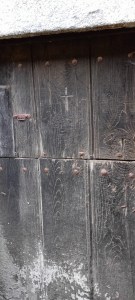
Old doors are fascinating At least, I think so. They hint at a story, a history, lives lived, and battles won and lost. How old do you think these are? We have been told that the carved cross dates this door to the fourteenth or fifteenth century and the moors domination of Spain. We are too far north for the historical picture to be clear, and for Moorish influence to be overwhelming, but they were undoubtedly here. An old location proverb says something along the lines of, “It doesn’t worry us when someone invades, we don’t say much, because we know that sooner or later they will get bored and turn round and go home.” That’s my very poor paraphrase, but you get the point.
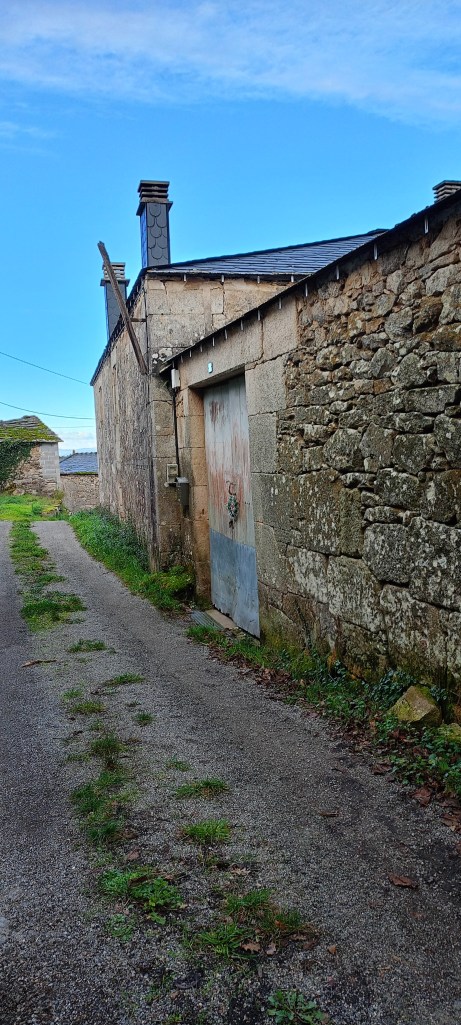
We don’t know how old our house is, but these are its gates. One day we’ll need to change them, but I think there are rather lovely.
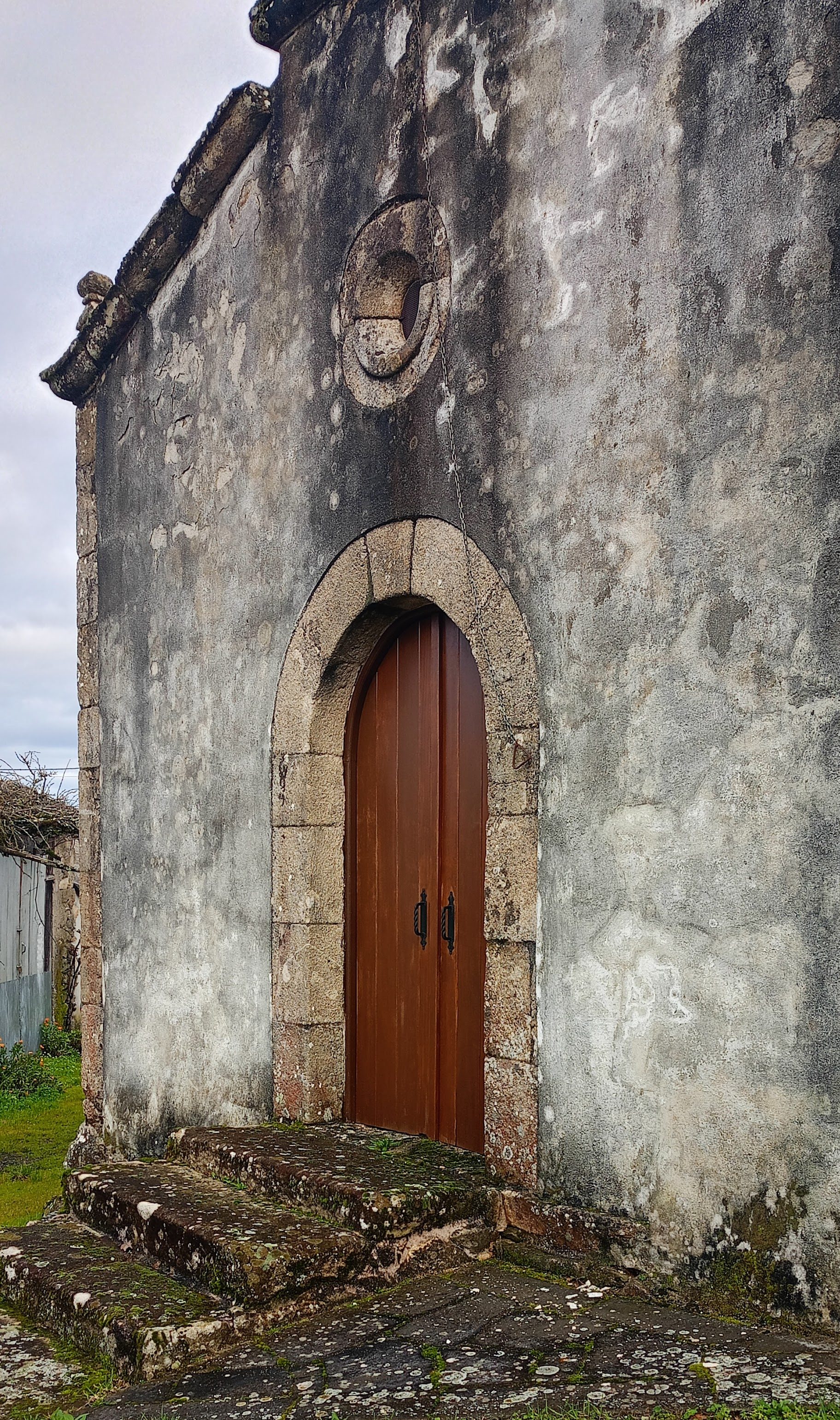
This is our church. It might date from the twelfth century, but in the last fifty years it has had some rather poor renovation work done, making it difficult to tell. I wish I had a photo of the inside, it’s there that you can see how old it is. The village all six houses is the smallest Parrish in Spain. Now, we are joined with all the neighbouring parishes and are effectively part of the parish of Goian, a larger village.
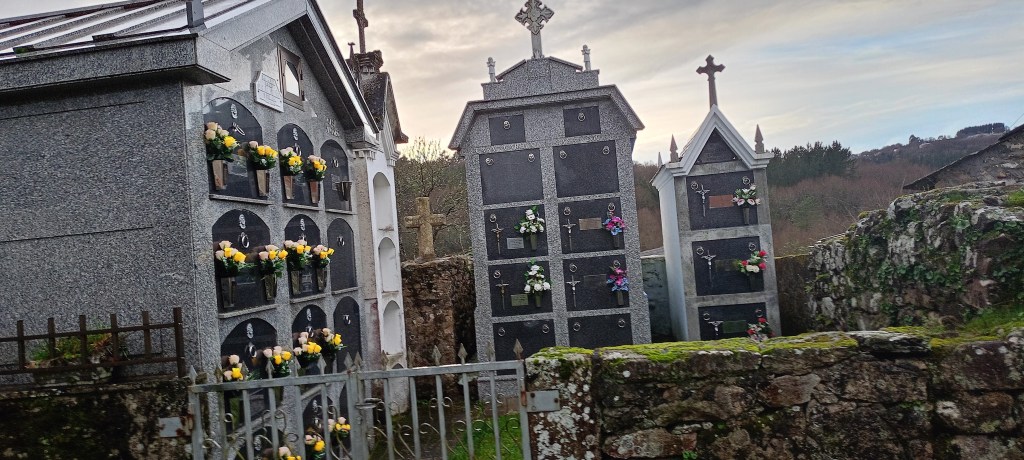
I’m sorry about the wonky photo. The graveyard is modern, the old one was replaced in the 1940s. It took me some time to get used to the fact that loved ones are simply filed away, in their own little slot.
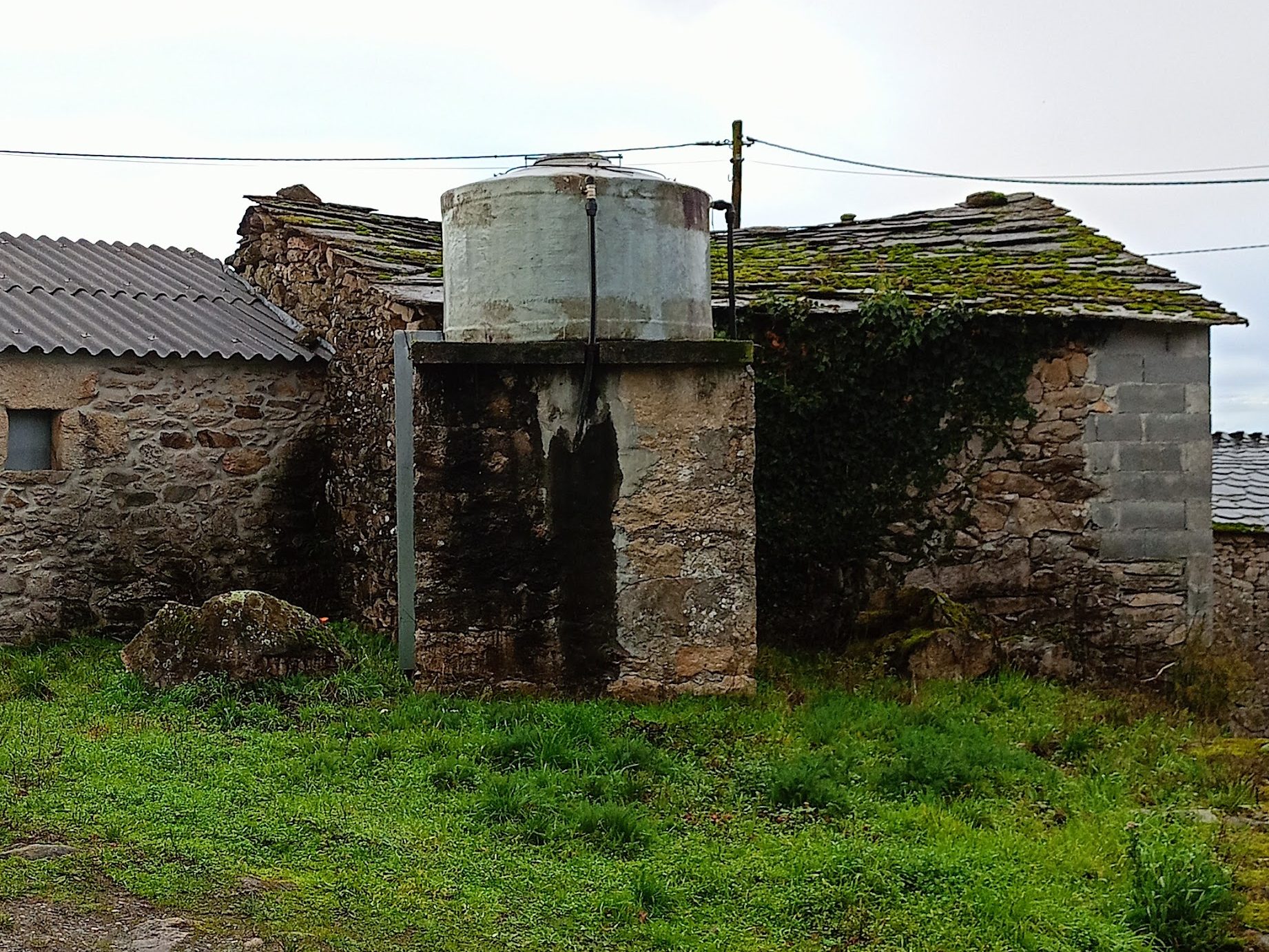
Village water Tank
Lastly, the water store; we don’t have mains water here. All the neighbours have to agree if we want it updated, a near impossible task, which is one reason that it looks so ugly. When we had only been here about a year, the tank ruptured and had to be replaced along with the lead pipes that separated the water to each house. The trouble it caused! Thank goodness our Spanish wasn’t up to arguing, and by the time our neighbours had translated from Galego to Spanish and repeated it twice to make sure we understood, people realised how stupid they sounded, and everything calmed down. We needed to understand so that we could pay our share, I found out later that there were more arguments that we weren’t party to. Necessary repairs were done, but it was never modernised as some of us wanted because of the arguments. Most of us, three household out of the five involved, had their own boreholes dug in an attempt to bypass potential problems in the future. That happened in a village with only six houses, where ordinarily all the neighbours get on extremely well. Imagine what happens in villages ten times the size. That’s why many of these systems have been abandoned, not because they aren’t viable but because no one can agree what to do. I believe in the past either village priest or the village council representative acted as mediator, but with the decline of rural communities, this rarely happens these days.
I was going include my neighbours Horreo, or grain store as they have just finished restoring it, but Horreos are interesting enough for a separate blog. so another time.
I am fortunate to live in such a beautiful and historic place I know that, and I’m grateful. I am guilty, as many of us are, of overlooking the interesting things that surround us in our desire to see the next place that’s gone viral on Instagram. I’m still looking at my resolutions for the year, and one of those is spending time appreciating what I have on my doorstep.
Is it a failed walk or a successful day out? You decide.
This is a story about failure and eventual success. (Kind of) so I’ll start with an explanation and a resolution. About eight years ago, I discovered I had a back problem. Not unusual as we get older, but to cut a long story short, I very quickly began to lose mobility, and normal tasks started to become difficult if not impossible. The problem was that my whole life at the time revolved around my being physically fit. We have four acres of land and a very old rambling farmhouse, doth of which need constant maintenance. At the time, we also had animals who needed looking after. Steve worked as an English teacher; I looked after the animals and the veg garden. As my condition worsened, my world shrank, and the house and the garden both started to look shabby. We still have a dog and a cat, but other than that, the animals have gone, and our veg patch is down to a couple of beds. Two years ago Steve retired, and since then we have brought a bit of order back into our lives, thank goodness. Things are better, but my frustration has grown. I want to be out there, but I also realise that I have become complacent, accepting I can’t do things rather than searching for new ways to reach my goals. For me, two good things came out of this sudden disability, though hate to describe it as a disability, as there are so many people with less mobility than I have.
I started writing and found my passion in life, and the medical treatment I have received has been excellent so the inevitable chronic pain is under control. But my mobility is still limited, and I still miss hiking, days out in the mountains, and my garden. This year I have promised myself that I am going to push that mobility to the limit and see what I can still do and whether I can find a new way of doing things I used to do without a thought. Last year I had an operation on my eye and afterwards realised that some of the fear of falling (because of my condition, I can not stand up straight, affecting balance) came from a loss of depth perspective because of my eye condition. This has given me more confidence to try new things. Sorry for the long list of my health problems and the brackets. I was trying to keep the explanation short, but I felt you needed to know the background before I tell you my failed walk story, and to explain why there might be more of these stories as the year goes on, I will fail often, before I find a way forward, the hard part will be to keep going.
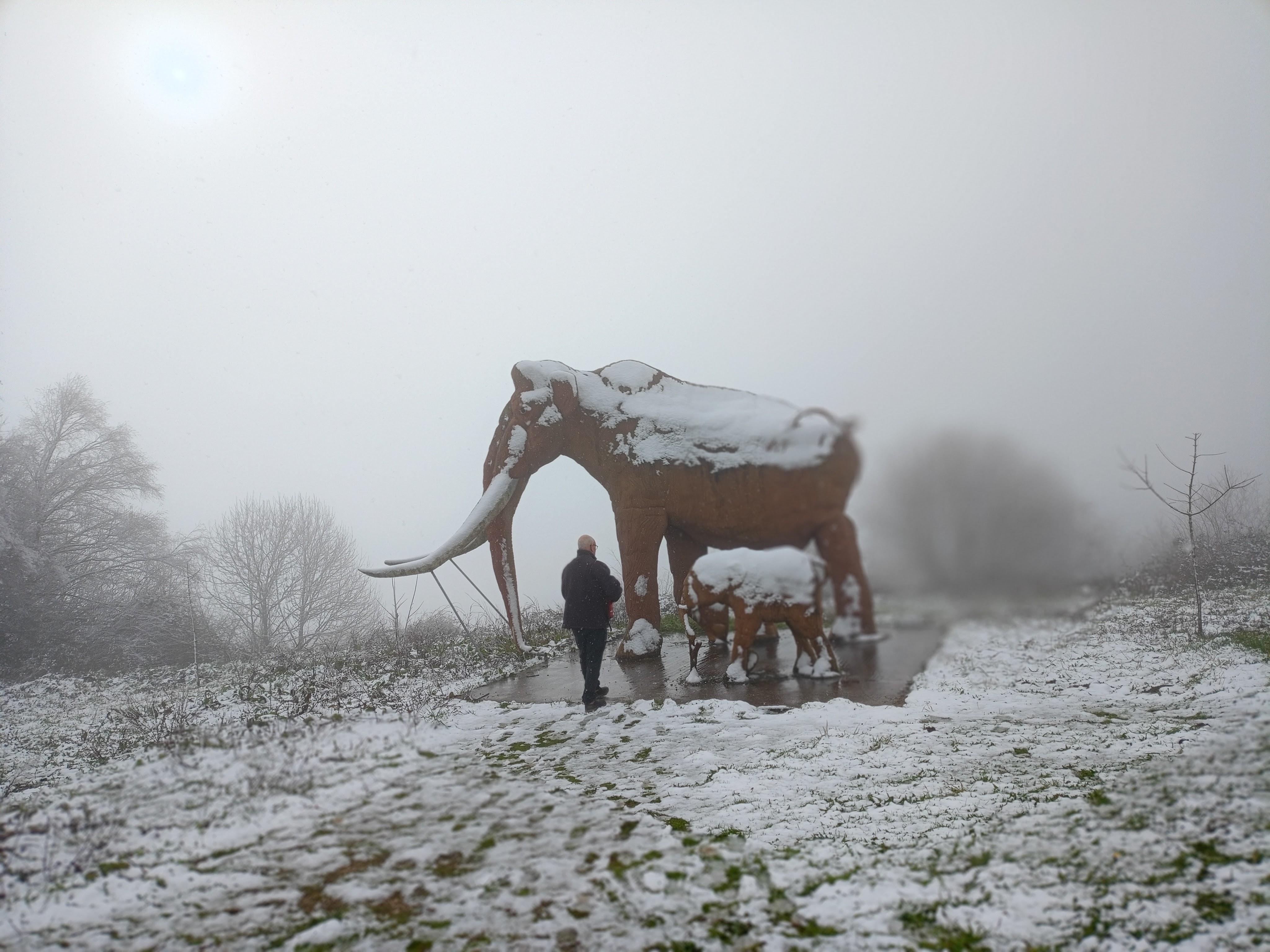
Here in Spain, the sixth of January is a bank holiday, King’s Day, the day when children receive their presents. Christmas doesn’t end until after Epiphany. We decided to go for a walk, so I looked on Google Maps to find somewhere new to visit and found an eleven kilometre walk, of which a section of four kilometres is wheelchair friendly. Meaning I should be able to take my rollator (walking frame with outdoor wheels). I should have looked at the photos then. If I had not, we might never have set off, and that would have been a shame because we ended up having a lovely day. We woke up that morning to the coldest morning of the winter and wet, sleety snow. I was determined that we weren’t changing our plans, so we packed our picnic and our little camping stove and set off. As we drove up into the mountains, the sleet changed into proper snow, and we drove into the cloud, so we couldn’t see much. The Mammoth statues loomed out of the mist in front of us. on the right hand side of the road. They are magnificent even covered in snow. The route we had planned is called the Route of the Mammoth. It should have started further along the road and taken you to two ancient castors or settlements, both part excavated, and then past these statues. The weather was closing in, so we parked by the statues to get a closer look. According to the information. In 1961, workmen in the nearby limestone quarry found bones and teeth of Mammoths proving for the first time that giant mammoths roamed Galicia. The sculptures are based on that find. It was snowing hard, so after taking some photos; We found the path next to the sculptures, abandoning the idea of doing the complete route because the weather was so bad. We started our walk there. That was my next mistake I didn’t check that it was part of the wheelchair – friendly section.
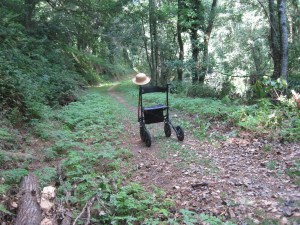
I took this picture in the summer, which explains the “hat” I have included it so you can imagine my wheels
It was hard going; the snow wasn’t cold enough, and kept getting stuck in my wheels, and where the sun hit the path, the snow had melted and refrozen a few times and there was a thin layer of snow and deep mud underneath. In the shade, ice had formed under the snow. I was determined to keep going, so I ploughed on for about five hundred metres, at which point the gradient, which had been a gradual downhill slope suddenly got steeper, I was exhausted by that time by pushing my wheels through the snow, I should have brought two sticks instead. I looked down the slope of the path and realised that if I did get down, there was no way I would make it back up. Reluctantly, I turned back, feeling bad for Steve because it meant he couldn’t go either.
I can’t believe there is no visible snow on this photo. It was everywhere. I had to wipe snow off my camera before I took it.
The climb back to the mammoths was tough, but the views through the mist were great. There was that strange dead silence you get in snow, and the mist was rolling in and out, making the place look mysterious and magical, and the intermittent snow and sunshine covered everything with glittery Christmas fairy lights. Even though the weather stopped us, I felt as though it offered a consolation prize of the sheer beauty of the scene once we were away from the road. I promised myself to return in better weather. We could have had our lunch by the sculpture, but we both had wet feet. (Third mistake: I should have put walking boots on. I have a pair even though it’s been a while since I used them.) We drove downhill to the reservoir, out of the snow, and sat in the winter sunshine at a picnic table and ate sandwiches and soup looking out over the water. It was silent and calm and way too tame. I had another minor victory; the soup was homemade packet soup made of our own veg. I experimented a bit in the summer with dehydrated meals, and this was the first we’d tried on a picnic. It was a successful venture, and I will make more ready meals if we continue with these adventures.
So what is the moral of this brief story? Better preparation for sure, twice as much as I have needed to do in the past. Better gear. Limited mobility means I have to be waterproof and warm even on short, easy walks. I am slower, need more rest stops, and can’t run back to the car. Keep trying. We had a magical day and enjoyed every minute. The only exception was the moment I had to admit defeat on the walk. Build fitness, the stronger I am, the better it is, because everything takes more effort than it used to. I have plans for the future, nearer to home, to car camp further away and try some more walking routes, so watch this space. On a more serious note; Being out in the wild gives me inspiration for writing. In the summer, I often sit in one of the fields near my village to clear my head and let it fill with stories. I don’t always write about it because it seems tame compared with watching the sunset on the top of a mountain. A challenge for me is a bit on the naff side for others, but we all need to get out, and we all need to overcome challenges, so at least we have that in common.